










Early Functional Changes After Injury
12/04/2026
Medical Cannabis: Hype, Hope, and Hard Truths Myth vs Reality on THC, CBD, Mental Health and Pain
22/04/2026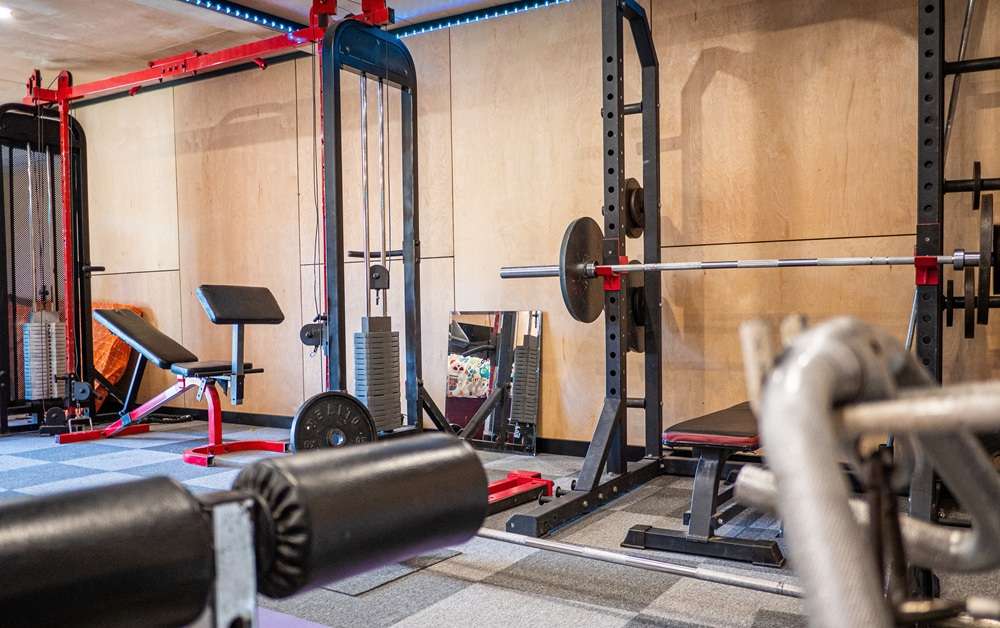
Surgery, Function, and the Brain
Week 6 Post-Op: Full Time, No Restrictions, and a Reality Check from the Surgeon
This is the seventh and last in a series of "Surgery, Function, and the Brain" blogs on Maria's recent surgical experience. Her previous blogs are:
- Starting This Journey
- 72 Hours Post-Op: Protection, Patience & “The Zipper”
- 96 Hours Post-Op: What Is This Thing Called Patience?.
- Day 7 Post-Op: When the Brain Starts Negotiating
- Day: 15 Post-Op: The Pacing Paradox
- Week 5 Post-Op: The Return to Work, the Reality, and Rewriting “Pacing”
Week 6 Post-Op Recovery has arrived with a major milestone: back at work full time, no restrictions, and a clearer understanding that recovery is not always linear. Progress is real, but patience still matters.
Six weeks after surgery, I’m back at work full time with zero restrictions.
That sentence matters. Not because everything is perfect. Not because every symptom has vanished. But because recovery is not always about waiting until you feel “100%.” Sometimes it is about safely re-entering life while your body continues healing in the background.
That can be a hard concept for many people after surgery or injury. We often imagine recovery as a finish line. Pain gone. Symptoms gone. Confidence back. Then life resumes.
Real recovery is usually messier than that.
Progress and Patience Can Co-Exist
At my surgical review, I raised the ongoing neurological symptoms in my feet and lower legs. The surgeon’s response was clear: these symptoms may continue improving over the next 12 months.
That is a useful reminder.
Healing timelines for nerves are often slower than healing timelines for skin, muscle, or movement confidence. The absence of instant change does not automatically mean failure. It may simply mean the system is still recovering.
For many people, this is where frustration begins. If symptoms remain, it is easy to assume progress has stopped. It often hasn’t.
The Return of Future Plans
Another milestone from the appointment was discussing activities I enjoy.
The green light was given for:
- White water rafting (target: New Zealand 2027)
- Flat water kayaking (much sooner in 2026)
- Skiing (planned for January 2027)
These are more than hobbies. They are markers of optimism and future orientation.
When people can start planning meaningful activities again, something important shifts psychologically. Life stops being only about appointments, limitations, and symptoms. It becomes about goals, experiences, and participation.
That shift matters.
Then Came the Gym Debate
I also made what I considered a VERY reasonable case for a home gym upgrade.
My proposal was simple: if recovery is important, clearly I need a leg press.
Unfortunately, my surgeon formed an alliance with my partner.
My partner’s position: “I need to see you’ll use what we already have.”
Current available equipment includes:
- Treadmill
- Exercise bike
- Free weights
- Theraband
My counterargument: “But I need my leg press.”
The surgeon’s response: “No you don’t. You can do lunges and squats.”
A devastating blow!!!

What the Exchange Really Highlights
Beneath the humour is an important rehabilitation principle: progress does not always require perfect equipment, ideal circumstances, or the next purchase.
Often, the biggest gains come from consistency with what is already available.
Many people delay recovery behaviours while waiting for:
- Better motivation
- More time
- Less pain
- Better gear
- The perfect program
- A sign they are ready
But function often improves through repeated, graded action before readiness fully arrives.
Use the treadmill. Ride the bike. Pick up the weights. Start with the theraband. Build from there.
Recovery Is Not Passive
At six weeks post-op, the headline is not that every symptom is gone.
The headline is this:
- Back at work full time
- No restrictions
- Ongoing healing expected
- Future adventures back on the horizon
- Still negotiating unsuccessfully for a leg press
That sounds like recovery to me.
Final Thought
Sometimes recovery looks dramatic. Sometimes it looks like showing up to work, accepting slower nerve healing, doing squats you didn’t ask for, and booking future adventures anyway.
Week 6 Post-Op Recovery is a story of progress and perspective—returning to full-time work, gaining confidence, and learning that long-term healing often requires patience, consistency, and realistic expectations.
This will be my last blog about my back surgery for a while. I will do one final blog on the 26/2/27 – 12 months post-surgery (with my own Home Gym)!
If you want help preparing for upcoming surgery, give Angela a call on (08) 7095 3484, or send us a message, and come and see us at Paragon PsychConnect.