











Week 6 Post-Op: Full Time, No Restrictions, and a Reality Check from the Surgeon
21/04/2026
Why Life Feels “Flat” for So Many People Right Now
13/05/2026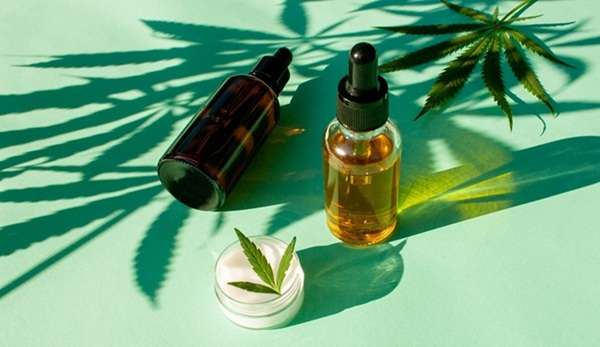
Medical Cannabis: Hype, Hope, and Hard Truths
Myth vs Reality on THC, CBD, Mental Health and Pain
Medical cannabis is surrounded by hype, hope, and confusion. Some people report real benefits, while others experience dependence, anxiety, or reduced functioning. Here is what the evidence actually shows
Medical cannabis is everywhere.
It is promoted as natural. Safer than medication. Helpful for anxiety. Good for sleep. A breakthrough for pain. A solution when nothing else has worked.
For some people, parts of that story may be true.
But not all of it.
The real evidence in The Lancet 2026 article The efficacy and safety of cannabinoids for the treatment of mental disorders and substance use disorders tells a far more nuanced story: medical cannabis may help some symptoms for some people, but it also carries real risks—especially when used heavily, used young, used long-term, or used as a coping strategy rather than a treatment plan.
At Paragon PsychConnect, we are less interested in trends and more interested in outcomes:
Is it helping function? Or just masking distress?
What Is Medical Cannabis?
Medical cannabis usually refers to treatments containing:
- THC (Tetrahydrocannabinol): The psychoactive component. This is what creates the “high.” It can also affect memory, reaction time, motivation, anxiety levels, and in some people, it has a paranoia or psychosis risk.
- CBD (Cannabidiol): Non-intoxicating. Often marketed as calming or therapeutic. It does not produce a high, but it is also not a magic cure-all.
The key point: THC and CBD are not the same thing, and not all cannabis products carry the same benefits or risks.
Myth 1: “Medical cannabis is proven for anxiety, depression and PTSD.”
Reality: The evidence is weak—and in some cases, absent.
Many people use cannabis to calm anxiety, numb trauma symptoms, or escape stress. That does not mean it is an evidence-based treatment.
A major 2026 review found:
- No convincing evidence for anxiety disorders
- No evidence for depression
- Limited evidence for PTSD
- Ongoing concerns about harms in vulnerable groups
Cannabis may make some people feel better in the short term. But feeling relief is not the same as treating the cause.
Sometimes it helps symptoms. Sometimes it delays real recovery.
Myth 2: “CBD is harmless, so why not try it?”
Reality: Low risk does not equal high evidence.
CBD is often seen as the “safe one.”
It may have a role in specific medical contexts, and it appears lower risk than THC in many respects. But that does not automatically make it effective for everyday stress, trauma, anxiety, or low mood.
This is where marketing often runs ahead of science.
CBD may be useful in some situations but it is not a proven answer for everything.
Myth 3: “THC and CBD are game changers for chronic pain.”
Reality: Benefits are usually modest.
This is one of the most common reasons people seek medical cannabis.
The current evidence suggests:
- Some people report reduced pain
- Some report better sleep
- Some report reduced distress around pain
But average improvements are often small rather than dramatic, and side effects can include sedation, dizziness, cognitive slowing, and reduced motivation.
That matters because chronic pain treatment is not just about symptom reduction.
It is about:
- movement
- confidence
- routine
- work capacity
- pacing
- participation
- quality of life
If a treatment reduces pain by 10% but shrinks function by 30%, that is not success.
Myth 4: “Cannabis is a great sleep treatment.”
Reality: Sedation and sleep are not the same thing.
Some people fall asleep faster with cannabis.
But deeper questions matter:
- Is sleep quality improving?
- Is tolerance developing?
- Is next-day motivation reduced?
- Is the real cause of insomnia being treated?
- What happens when it stops?
Feeling knocked out is not always the same as restorative sleep.
For many people, sleep improves more sustainably through behavioural treatment, nervous system regulation, and habit change.
Myth 5: “Because it’s natural, it’s safer than other medication.”
Reality: Natural substances can still carry significant risk.
Recent research has linked frequent cannabis use with increased risks in some users, including:
- dependence / cannabis use disorder
- impaired memory and concentration
- psychosis risk
- anxiety worsening
- cardiovascular concerns
- impaired driving
- severe nausea and vomiting (Cannabinoid Hyperemesis Syndrome)
Natural does not mean harmless. Hemlock is natural. So is tobacco.
The real question is not natural vs pharmaceutical. It is: risk vs benefit for the specific person.
Myth 6: “Cannabis is good for mental health because it helps me relax.”
Reality: Relief can become reliance.
This is where psychology matters most.
Many people do not use cannabis for recreation.
They use it because they feel:
- overwhelmed
- hyperaroused
- flat
- traumatised
- unable to sleep
- unable to switch off
- unable to cope
That makes sense. But if cannabis becomes the only way to regulate distress, it can quietly replace healthier coping systems.
Over time, some people notice:
- lower frustration tolerance
- reduced confidence coping sober
- avoidance of emotions
- reduced motivation
- emotional blunting
- dependence on a substance to feel “normal”
That is not treatment progress. That is a coping trap.
Myth 7: “Young people can use it without much concern.”
Reality: Younger brains need more caution.
The research is clearest here.
Younger and frequent users appear at higher risk of:
- anxiety
- depression
- suicidal ideation
- attention and memory problems
- reduced motivation
- psychosis in vulnerable individuals
The earlier the exposure and the higher the potency, the more caution is warranted.
What may be manageable for one adult can be very different for an adolescent brain still developing.
So… Is THC or CBD Actually Useful?
Sometimes—yes. But not in the way social media sells it.
There may be a role for cannabinoids in selected cases such as:
- chronic pain (modest benefit for some)
- sleep difficulties
- nausea
- appetite issues
- selected neurological conditions
- specialist medical contexts
Where Caution Is Strongly Needed
- anxiety used as self-medication
- depression
- PTSD
- psychosis risk
- adolescence
- long-term daily reliance
- heavy/high-THC use
- low motivation / poor functioning
The Paragon Lens: Function First
At Paragon PsychConnect, we always return to one core question: What is this doing to your life?
Not just:
- Does it relax you?
- Does it help tonight?
- Does it reduce discomfort briefly?
But:
- Are you functioning better?
- Are relationships improving?
- Are you more active?
- Are you coping better without it?
- Are you moving toward your goals?
- Are you building capacity—or shrinking around symptoms?
That is the real measure of progress.
Bottom Line
Medical cannabis is not a miracle. It is not evil either.
It is a real treatment option with real but limited benefits, real risks, and far more hype than nuance.
For some people, it may have a legitimate place in care. For others, it may quietly worsen the very problems they are trying to solve.
The smartest path is not fear. And it is not blind acceptance. It is informed, individualised, evidence-based decision making.
Need Help Understanding the Bigger Picture?
At Paragon PsychConnect, we help people understand the relationship between symptoms, coping, nervous system health, function, behaviour, and long-term recovery.
Because the goal is not just feeling better for an hour.
It is building a life that works.
If you want help building a life that works, give Angela a call on (08) 7095 3484, or send us a message, and come and see us at Paragon PsychConnect.