







Surgery, Function, and the Brain: Starting This Journey
24/02/2026
Surgery, Function, and the Brain: 96 Hours Post-Op: What Is This Thing Called Patience?
05/03/2026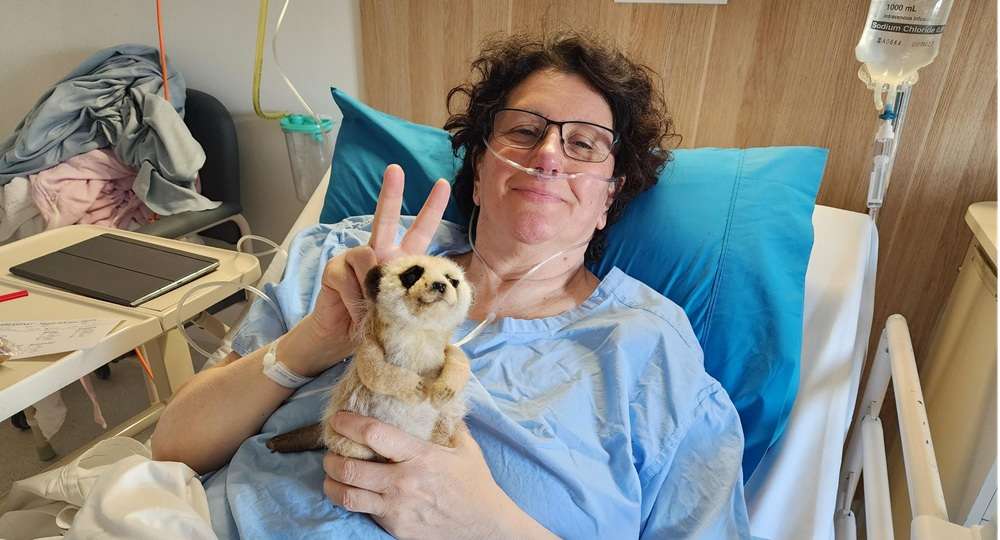
Surgery, Function, and the Brain
72 Hours Post-Op: Protection, Patience & “The Zipper”
This is the second in a series of "Surgery, Function, and the Brain" blogs on Maria's recent surgical experience. See her first blog Starting This Journey.
72 hours post-op recovery is not about pushing limits — it is about protection, patience, and allowing inflammation to settle while the nervous system recalibrates. In these early days, the body is repairing tissue, the brain is interpreting signals, and the difference between danger and discomfort becomes clinically fascinating.
Seventy-two hours after a laminectomy at L4–5 and L5–S1, here’s what stands out most:
My team were exceptional.
From surgeon to anaesthetist to nursing staff — there was calm competence everywhere. Total confidence in your treating team matters. It lowers anticipatory threat, reduces hypervigilance, and allows the nervous system to settle. When you trust the hands you’re in, your body responds differently.
That is not soft psychology. That is neurobiology or neuroscience.
Pain, Medication & Choice
I’ve taken three Palexia in three days. That’s it.
And I didn’t love the side effects — cognitively foggy, slightly disconnected, not myself.
So I’ve opted for simple analgesia: Panadol and a daily Celebrex for the next two weeks to manage inflammation and post-operative swelling.
The surgeon’s report described “severe nerve root compression.”
That validation mattered. The neurological symptoms weren’t imagined. They made anatomical sense.
There is something psychologically regulating about coherence between symptoms and structure.
Sensory Pain vs Emotional Pain
What has fascinated me most is separating:
- Sensory pain
- Emotional distress
They intersect — but they are not identical.
The sensation is clear. My brain labels certain movements as “dangerous.” It sends protective signals to limit movement during early tissue healing.
That’s appropriate.
But I’m not feeling catastrophic distress with it. Why?
Because I know this pain is temporary. It has context. It has a timeline. It has meaning. Pain without threat feels very different from pain with uncertainty.
This is the difference between sensation and suffering.
When Emotion Spikes the Body
There was one clear reminder that recovery isn’t just mechanical.
Friends visited. Conversation drifted — unintentionally — to a very stressful situation.
Within minutes, my blood pressure spiked to 192. It took hours to settle to 168, and by the following morning it was back to 129/70.
Nothing structural changed in my spine during that time. What changed was psychological state.
The sympathetic nervous system does not differentiate neatly between surgical recovery and interpersonal threat. Emotional activation is physiological activation. The body mobilises. Vessels constrict. Heart rate shifts. Pressure rises.
It was a live demonstration of what I teach daily: the brain interprets context, and the body follows.
Post-surgery healing is not occurring in isolation from relationships, history, or unresolved stressors. The nervous system carries all of it.
It reinforced something important — protecting recovery also means protecting psychological boundaries. The spine may have been decompressed. The nervous system still responds to perceived threat.
And the body keeps score — in real time.
Impatience: The Broad Bean Experiment
I’ll admit something.
I’m slightly annoyed with myself for letting this go on as long as I did — focusing on other life demands instead of addressing the neurological progression earlier.
Ironically, I would advise my own clients differently.
And then there’s my impatience.
When I was ten, we were given a broad bean to grow for a science experiment. Measure it. Water it. Observe it.
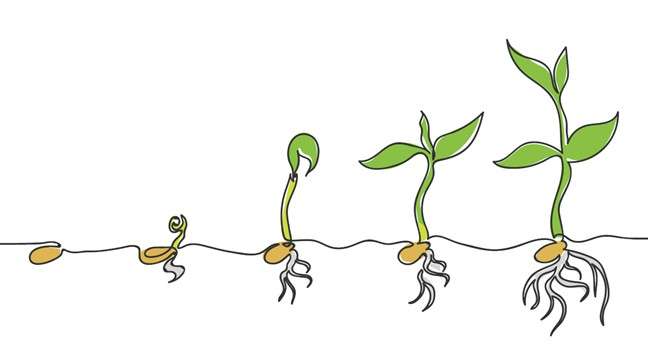
After two days with no visible growth, I dug it up. Then I kept digging it up daily to check on the roots.
You can imagine how that ended.
Recovery is like that broad bean.
You cannot accelerate tissue healing by checking it obsessively.
You nurture it. You give it conditions to grow. You leave it alone.
At three days post-op, I do not need to “catch up” on reports. I can watch Bridgerton and let biology do what biology does.
The “Difficult Patient”
My partner Tony tells me I’m a difficult patient.
What he means is:
- I expect to recover faster than average.
- I dislike asking for help.
- I was discharged at 48 hours instead of the recommended four days because hospital restlessness drove me slightly mad.
The nurses were checking on me because I was showering and walking independently almost immediately.
Independence is good. Impatience is not the same thing. Recovery will take the time it takes.
Protection, Not Danger
The pain I feel now is protective. It is a temporary braking system.
My brain is saying:
- “Don’t twist.”
- “Don’t lift.”
- “Not yet.”
That’s intelligent signalling.
I can feel it. Acknowledge it. Respond to it. Without turning it into suffering.
Curiosity is far more useful than frustration.
Naming the Scar
Humour helps.
This is my third spinal surgery. The scar is now 10cm long.
I’ve decided to call it “The Zipper.” If we’re going to do this, we may as well lean into it.
The Moment That Mattered
The most significant emotional moment came just before discharge.
I asked Dr Adam Wells whether I could kayak and snow ski in the future.
I didn’t realise how much I was holding my breath until he said:
“Yes — but not straight away.”
A weight lifted.
My identity — movement, and unlimited choices are not gone.

But there is a condition.
If I want that future, I will have to commit to regular strength and conditioning. Not sporadic exercise. Not bursts of hyperfocus. Not “when I get time.”
Three to four sessions per week. Consistent. Disciplined.
Because I do not wish to use “The Zipper” again.
What’s Next
Over the next few days, I’m hoping to:
- Increase walking distance gradually
- Resume light cooking (bake a cake)
- Continue minimal medication
- Respect inflammation
- Practice patience (the hardest for me)
And observe how neurological symptoms respond as swelling settles.
Healing is happening. Quietly. Biologically. Without needing to be dug up.
This reflection on 72 hours post-op recovery explores the interplay between nerve compression, surgical inflammation, and the brain’s protective pain response — highlighting why confidence in your team, measured movement, and patience are central to functional healing.
The third in Maria's series of "Surgery, Function, and the Brain" blogs, on her recent surgical experience, is 96 Hours Post-Op: What Is This Thing Called Patience?.