









Surgery, Function, and the Brain: 72 Hours Post-Op: Protection, Patience & “The Zipper”
01/03/2026
Surgery, Function, and the Brain: Day 7 Post-Op: When the Brain Starts Negotiating
08/03/2026
Surgery, Function, and the Brain
96 Hours Post-Op: What Is This Thing Called Patience?
This is the third in a series of "Surgery, Function, and the Brain" blogs on Maria's recent surgical experience. Her previous blogs are:
96 hours post-op recovery often marks the moment when the initial intensity of surgery begins to settle and a quieter challenge emerges—learning patience. The body is healing, inflammation is still present, and the brain is recalibrating expectations about movement, energy, and pace.
Sunday night I slept in my own bed again. That alone shifted something. Waking Monday morning felt steadier, calmer — more human.
I replied to a few emails.
Watched the world appear to explode (again).
Felt quietly grateful to be back in Australia — particularly remembering I was in the Dubai airport 4½ weeks ago.
And then I made a deliberate decision: Today, I pace.
What Pacing Means (To Me)
Here’s the thing.
Pacing post-surgery means something very different to me than it does to most people.
Today it meant:
- Making a mango chicken curry.
- Lying down to watch an episode of Bridgerton.
- Getting up to bake not just any chocolate cake — but the world’s best chocolate cake by Yotam Ottolenghi and having it with a cup of tea with a friend.
- Lying down again while it baked and watching another Bridgerton episode (I’m now up to the 4th episode).
- Rechecking YouTube to see what’s happening in the world.
- Repeat.
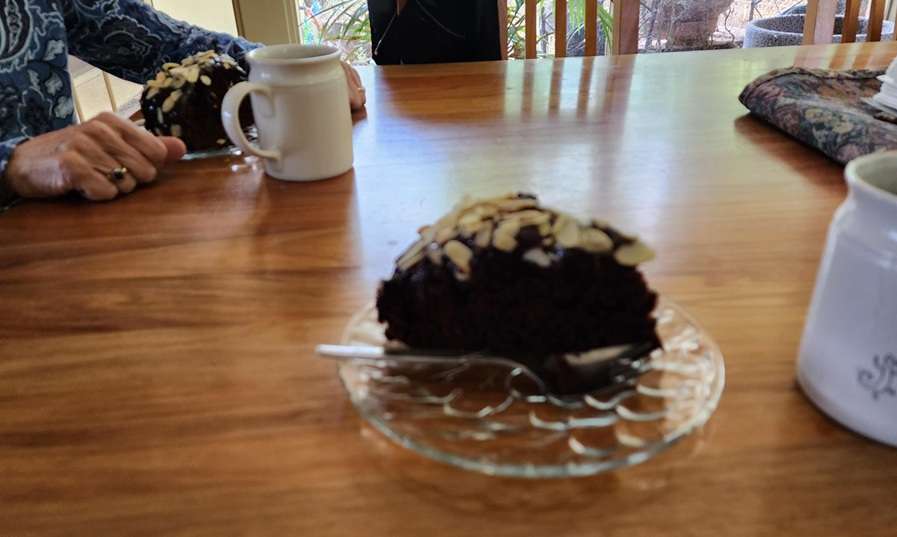
Ottolenghi is one of my favourite chefs. Cooking is play. Baking is therapy. And interestingly, nothing hurts when I bake.
That’s data.
Engagement reduces threat signaling. Enjoyment alters perception. Meaning modulates sensation.
Also, I will be through the entire season of Bridgerton soon. This may become a new clinical dilemma.
Pacing: Three Perspectives
Pacing is one of the most misunderstood concepts in recovery.
For patients
It often sounds like restriction.
- “Do less.”
- “Stop.”
- “Be careful.”
For doctors
It can mean tissue protection and inflammation control.
- Avoid aggravation.
- Limit load.
- Respect healing timelines.
For therapists (particularly in pain work)
Pacing is behavioural regulation.
- Avoid boom – bust cycles.
- Prevent flare – crash patterns.
- Maintain nervous system stability.
But pacing is not inactivity.
At 96 hours post-surgery, pacing for me means:
- Do something meaningful.
- Stop before fatigue.
- Lie down.
- Let swelling settle. Use a cold pack if you need to.
It’s rhythm, not rest.
A GP Check-In
My neighbour and friend Anita — who is a GP — is coming over for coffee later.
She does not entirely trust my definition of pacing and would like visual confirmation that I am not secretly reorganising the house. Fair.
She is, however, delighted that I am finally listening to her long-standing plea: “You need to exercise regularly. In real time and not just in your head……”
And for the first time, I don’t see that as optional.
- If I want to kayak again.
- If I want to ski again.
- If I want to avoid ever extending “the zipper.”
Then exercise is no longer episodic. It’s structural.
So… I have an idea of a plan.
I’ll need to harness my ADHD brain and give it structure strong enough that exercise becomes non-negotiable — almost embedded into it.
But it has to be realistic. Doable – Enjoyable - Sustainable.
Something I actually want to follow — not something I’ll hyperfocus on for three weeks and then abandon.
If this recovery is going to last, the plan has to fit my brain, not fight it.
This reflection on 96 hours post-op recovery explores the balance between movement and rest, highlighting how pacing, patience, and trust in the healing process support functional recovery after surgery.
The fourth in Maria's series of "Surgery, Function, and the Brain" blogs, on her recent surgical experience, is Day 7 Post-Op: When the Brain Starts Negotiating.