











Medical Cannabis: Hype, Hope, and Hard Truths Myth vs Reality on THC, CBD, Mental Health and Pain
22/04/2026
When Your Brain is Basically a Bengal Cat
31/05/2026
Why Life Feels “Flat” for So Many People Right Now
Many people are quietly wondering why life feels flat, even when they are doing all the “right” things. They go to work, see friends, exercise, scroll social media, and keep pushing forward — yet something still feels emotionally muted. This sense of disconnection is increasingly common and may reflect chronic stress, burnout, nervous system overload, trauma, or changes in how the brain processes reward and meaning.
Over the past six months, I’ve noticed a growing number of clients presenting with something difficult to describe, yet instantly recognisable once you see it. It is not always major depression in the traditional sense. Many are still functioning, still working, still parenting, still socialising. But underneath it all there is a flattening — a loss of spark.
People often describe it like this: “I’m doing the things I used to enjoy… but they just don’t feel the same anymore.”
Psychology has a name for this experience: anhedonia — “a reduced ability to experience pleasure, motivation, interest, or emotional reward from life.”
Importantly, anhedonia does not always mean people feel intensely sad. Often it is quieter than that. Life simply begins to feel emotionally muted. Activities that once felt energising, or meaningful, can start to feel flat, effortful, or strangely disconnected.
I’ve noticed this particularly in my neurodiverse clients, especially those with ADHD. Many ADHD individuals experience significant justice sensitivity — a heightened emotional and nervous system response to unfairness, hypocrisy, cruelty, exclusion, or abuse of power. They notice things deeply. They absorb emotional tone quickly. They often feel the suffering of the world more intensely than others realise.
And right now, the world has been hard to watch.
Over recent years we have all been exposed to an endless stream of conflict, outrage, instability, division, and performative aggression. Geopolitics no longer feels distant when it affects the economy, safety, cost of living, social cohesion, and people’s overall sense of stability. Even if we try to disconnect, these issues seep into daily life through media, workplaces, conversations, and social platforms.
For many sensitive and neurodiverse individuals, the nervous system never fully gets a chance to switch off.
The brain’s reward systems — the networks involved in pleasure, motivation, curiosity, and engagement — do not function particularly well under chronic stress. When the nervous system spends too long in threat mode, the brain gradually shifts its focus away from reward and toward protection.
In simple terms, the brain stops asking: “What feels good?”
And starts asking: “What feels safe?”
Over time, people can begin feeling emotionally numb, detached, cynical, or exhausted by humanity itself. Not because they are weak, but because the nervous system can only absorb so much disappointment, conflict, and emotional intensity before it begins conserving energy.
What has interested me lately, however, is that something seems to be shifting.
Over recent weeks, I’ve noticed more clients beginning to talk differently. There seems to be a cautious sense that perhaps people are becoming tired of cruelty, narcissism, greed, and outrage culture. Tired of selfishness being rewarded. Tired of performative hostility masquerading as strength.
There feels to be a small but noticeable return toward kindness, authenticity, fairness, and genuine human connection.
Psychologically, that matters more than we often realise.
Human beings regulate emotionally through the environments around them. When society feels relentlessly hostile, people withdraw emotionally. The nervous system contracts. But when signs of safety, warmth, humour, compassion, and humanity begin to reappear — even subtly — the brain notices that too.
Hope is not just philosophical.
It is neurological.
One of the most important things we understand in psychology is that recovery often begins before enjoyment fully returns. The brain frequently relearns pleasure through gradual re-engagement with meaningful life experiences.
That may involve:
- reconnecting socially
- reducing constant exposure to outrage-driven media
- spending time in emotionally safe environments
- re-engaging with hobbies or creativity
- moving the body
- reconnecting with personal values rather than endless online noise
At first, these activities may still feel emotionally flat. But over time, the nervous system can begin recalibrating. Small moments of enjoyment, curiosity, humour, and connection slowly start returning.
I don’t think people are imagining this collective exhaustion. Many individuals are emotionally overloaded and morally fatigued. But I also think something hopeful may be emerging alongside it — a growing desire for kindness again.
And perhaps that is where healing starts.
Not with forced positivity. Not with pretending the world is perfect. But with the quiet realisation that despite everything, people still deeply want connection, fairness, humanity, and meaning.
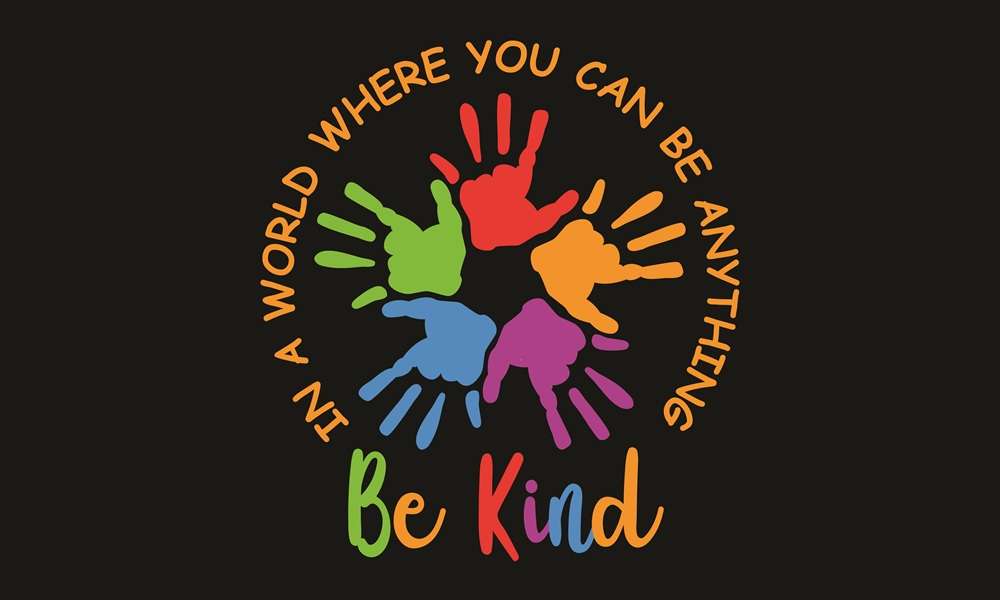
Why life feels flat is often far more complex than simply “being unhappy.” Chronic stress, emotional overload, burnout, trauma, and modern lifestyle pressures can gradually reduce the brain’s ability to experience motivation, pleasure, and emotional connection. Understanding these processes is an important first step toward rebuilding engagement, meaning, and emotional wellbeing.
If you would like help with your loss of spark, give Angela a call on (08) 7095 3484, or send us a message, and come and see us at Paragon PsychConnect.