











Welcome to My Jungle: Confessions of an Office Manager with a LEGO Obsession
21/07/2025
Is Your Child Really “Just Being Moody” — Or Is It Something More?
30/07/2025
Chronic Pain: It’s Not All in Your Head
But We’ll Still Go There Anyway
Living with chronic pain can feel isolating, exhausting, and misunderstood. At Paragon PsychConnect, we understand the psychology of chronic pain—and we’re here to show how your brain is a key player in recovery, not the villain.
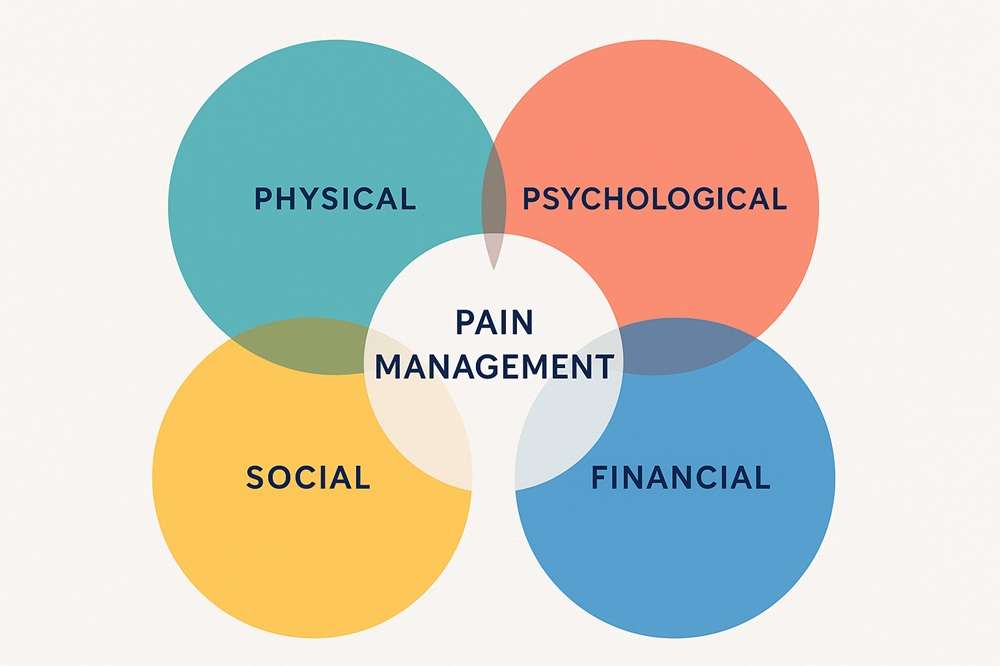
We don’t flinch when someone mentions pain. We LOVE pain – let me elaborate “we love treating and educating you on pain.” This is where physical, psychological, social and even financial health intersects for us.
We don’t squirm when you describe your 3am sciatica or the fact that your rib “pops out” when you sneeze too hard.
And we certainly don’t dismiss pain because it can’t be seen on a scan.
Why? Because most of us here live it.
Yes — we walk the talk. We’ve been the N=1 in our own little “clinical trials.”
We’ve tested pacing, flared from overdoing it, Googled strange symptoms at midnight, and had to do the dreaded “activity diary.”
(Not to brag, but one of us even enjoys the pain the gym gives him – even when he tears his thigh muscle pressing VERY heavy weights. He was back in the gym a few days later but accepting the power of PACING…).
But First — What Is National Pain Week?
Every July, National Pain Week reminds us that chronic pain is real, invisible, and far more common than we think.
This year’s theme, “Pain Takes a Nation,” (watch the video) speaks to the ripple effect pain has — not just on individuals, but on families, workplaces, relationships, and identity.
And according to the 2025 National Pain Report, the diagnosis delay for chronic pain is robbing Australians of their most productive, connected, and fulfilling years.
On average, Australians are waiting over 6 years for a diagnosis. Let that sink in.
That’s six years of wondering, dismissing, masking, and slowly disconnecting from the things that make life meaningful.
“You’re Fine.” (Except You’re Not.)
Let’s break down what delayed diagnosis can really look like:
- You’re in pain, but your imaging is “normal” – you ask to be sent for another MRI.
- Your GP suggests it’s stress or “probably just tension” as “there is nothing there on the scan”.
- You try to push through it at work, at the gym, at home and worry your employer, coworkers and family think you are putting it on.
- You become really good at hiding it as “what’s the use…”.
- Until one day, you're not coping — and no one understands why.
At Paragon PsychConnect, we hear this story weekly. And we don't just listen — we believe it. We see it all the time. Clients with chronic pain conditions are common in our practice.
Pain is never “just in your head.” But your brain does play a starring role.
Which means the mind-body connection isn’t woo-woo — it’s neuroscience.
N=1 — The Paragon Pain Philosophy
We’re not pain-free superheroes.
We’re human beings who’ve also had to learn when to move, when to rest, and when to scream into a pillow.
Some of us have chronic conditions. Some are navigating post-surgical rehab. Some have lived through years of persistent pain that’s impacted our sleep, moods, and social lives.
But here’s what we don’t do:
- We don’t panic at pain.
- We don’t catastrophise (well, not for long).
- We use our pain as a testing ground — for movement, for psychology, for breathwork, and yes, for chocolate.
- We experiment on ourselves so we can be better guides for our clients.
- We are our own mini research project — with compassion and curiosity.
What Needs to Change?
According to the 2025 National Pain Report, people with chronic pain often:
- Feel gaslit by health professionals.
- Wait years for proper diagnosis.
- Are told to just “lose weight” or “think positive”.
- Experience shame, isolation, and stigma.
- Fall through the cracks of Medicare and mental health care systems.
This isn’t okay. And it can change.
Pain science has come a long way — but there’s still a gap between the research and the reality of how people are treated.
We need GPs, physios, psychologists, pain specialists, and policy-makers working together — not passing the buck.
What You Can Do From Pain Week (Even if You’re in Pain)
Share your story. Use #NationalPainWeek or #PainTakesANation.
- Educate your circle — friends, colleagues, even your GP — about persistent pain.
- Take up space. You don’t have to downplay your experience.
- Seek out professionals who actually get it (hello).
- And if you’ve been waiting years for someone to take your pain seriously — let this be your sign: You are not making it up. You are not weak. And you are not alone.
Final Thoughts (and Slightly Sarcastic Wisdom)
At Paragon PsychConnect, we believe pain is a part of life — but suffering doesn’t have to be.
Whether your pain is fresh, flaring, or a long-term guest that never brings wine — you deserve support that goes beyond “have you tried yoga?”
This National Pain Week, we stand with you.
Because pain takes a nation — but so does recovery.
And we’re here for both.
Need support? Want to understand how pain, beliefs, and the nervous system intersect?
You can reach out to Paragon PsychConnect if you would like to see a Psychologist for an individual appointment, or you can register your interest in our Pain Therapy Programs or check out chronicpainaustralia.org.au .
Contact us today to start a conversation on (08) 7095 3484, or send us a message, if you are interested.