











Chronic Pain: It’s Not All in Your Head But We’ll Still Go There Anyway
30/07/2025
Bullying. No Way! A Parent’s Guide to Taking a Stand Together
30/07/2025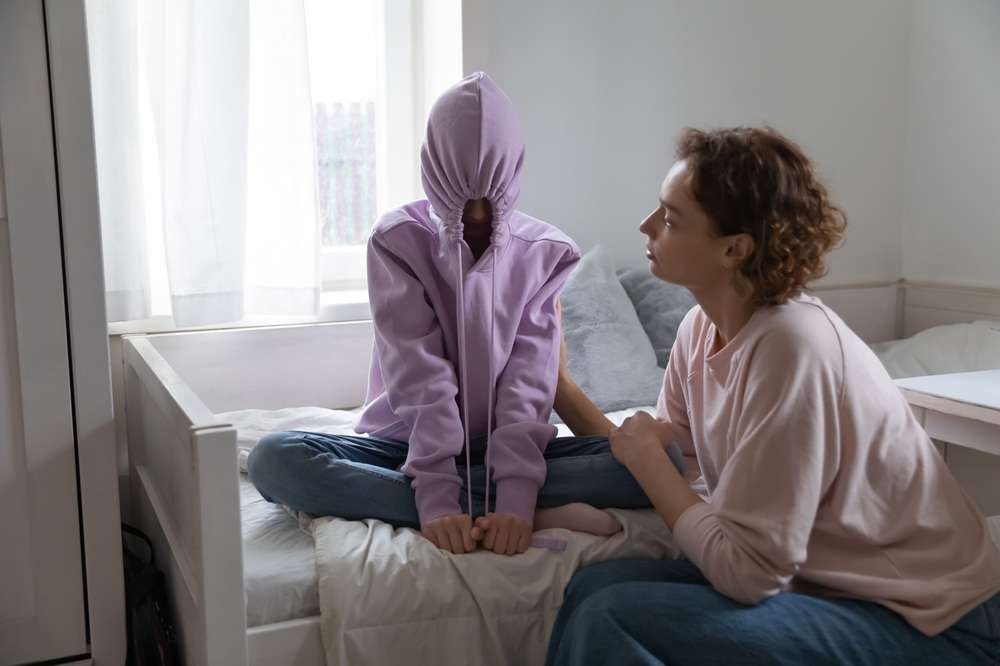
Is Your Child Really “Just Being Moody”
Or Is It Something More?
Wondering when to worry about moodiness in kids? You’re not alone — and the answer starts with knowing what’s typical and what’s not.
We’ve all been there.
Your child’s mood shifts. They’re snappy, teary, suddenly refusing to go to school — or they’re quieter than usual, brushing you off with “I’m fine.” And you wonder: Is it just hormones? A bad day? Or… is something else going on?
As psychologists, we can tell you: when it comes to bullying, the signs are often there — just not always where you expect them.
And as parents, it’s not about overreacting. It’s about tuning in.
The Red Flags (and the Whispered Ones Too)
Bullying isn’t just black eyes and locker room shove-fests (though those still happen too). It’s subtle. It’s digital. It’s relational. And sometimes the only signs are the quiet ones.
Here’s what to keep an eye on:
At home, you might notice:
- “I don’t want to go to school” (on repeat).
- Taking longer routes to school or asking for a lift out of the blue.
- Coming home hungry — because they skipped lunch to avoid someone.
- Mysterious scratches or lost belongings.
- Sleep and appetite changes.
- Outbursts, tears, sulking… or radio silence.
At school, teachers might mention:
- A drop in grades.
- Your child withdrawing in class.
- Not speaking up like they used to.
- Trouble with friendships — or always being on the outer.
And the kids more likely to be targeted?
- Often the gentle ones. The different ones. The quiet observers. They might avoid conflict, be socially reserved, or struggle with self-esteem. And yes — they might seem like they’re coping. Until they’re not.
Case in Point: Ethan
Ethan was a bright, creative Year 6 kid. Loved art. Lived for science experiments. But lately, his mum Mary noticed he was dreading school. His lunch was untouched. He’d cry over tiny things. He started asking if he could be homeschooled.
Turns out, a few boys had been teasing him — about his drawings, his hair, even the way he talked. They’d created a group chat just to post memes about him.
The bullying had stayed under the radar. No bruises. No detentions. Just silence — and shame.
When Mary reached out to the school, and the staff acted quickly. They brought in support staff, held a class chat about kindness and talked about kind acts to do daily and report back to the class every morning for a week. Ethan was also offered a safe person to talk to. Slowly, he found his confidence again.
Ethan’s story isn’t rare. It’s real. And it’s why we need to pay attention.
But What If It’s My Kid Doing the Bullying?
That’s a hard one, we know. But important.
Kids who bully often aren’t “bad kids.” They might be dealing with their own stuff — anxiety, control issues, peer pressure — and expressing it the only way they know how.
Here’s what to look out for:
- Your child regularly teases, excludes, or mocks others — especially the same target.
- They talk their way out of trouble like a pro (hello, strong verbal skills).
- They seem to enjoy power over others, but struggle with empathy.
What they don’t need is shame. What they do need is support, boundaries, and guidance. That’s where home and school come in — together.
How You Can Help (Even If You’re Not Sure Where to Start)
If you’re worried — or even just curious — start here:
Start the convo
Use open questions like, “How’s school feeling lately?” or “Have you seen anyone being left out?” Let them lead. No lectures, just listening.
Trust your gut
You know your child best. If something feels off — ask, explore, connect. Early is better than late.
Talk to school
Teachers, year level coordinators, wellbeing staff — they’re your teammates. Reach out.
Build their strengths
Help them develop social skills, join a group outside school, volunteer — anything that builds confidence and connection.
Wear orange
Join the movement this Bullying. No Way! Week (11–15 August) by wearing orange — a symbol of unity, connection, and safe schools.
Final Word: It’s a We-Thing, Not a Me-Thing
Bullying prevention isn’t just the job of teachers or principals or counsellors. It’s all of us — parents, carers, uncles, aunties, coaches, friends.
When we grow strong relationships and cultivate respect, our kids are more likely to stand up for others — and for themselves.
So, this August, let's lean in. Check in. Speak up.
Let’s show our kids what it really means to have their backs. Because in our school communities and beyond, there is no place for bullying. Not now. Not ever.
Need more resources? Visit bullyingnoway.gov.au