








Compensable Persistent Pain Program
About the Compensable Persistent Pain Program
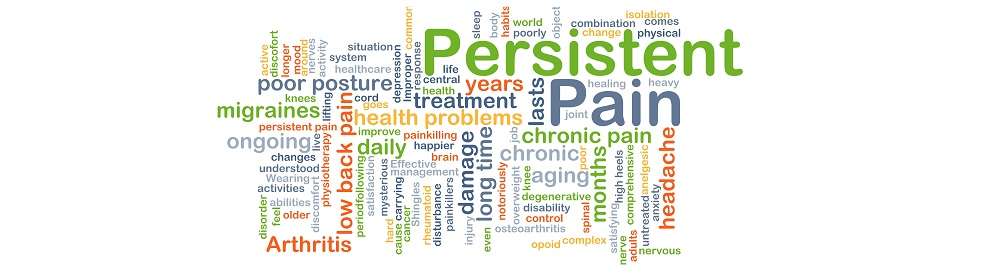
Persistent (or chronic) pain is becoming increasingly common. Over the past few decades, research has helped us better understand that pain is influenced by many factors, including the body, the brain, emotions, lifestyle, and social circumstances. Because of this, the way pain is treated has changed. Treatment now focuses less on medication and passive therapies, and more on helping people understand and manage their pain in practical, sustainable ways.
We now know that pain is complex. It is not simply a signal from injured tissues. Instead, it is influenced by the way the brain processes information, how the nervous system responds to stress and injury, and how daily life activities are affected. For this reason, effective pain management needs to consider the whole person. This is known as a biopsychosocial approach, which looks at the interaction between physical health, psychological wellbeing, and everyday life factors.
The Persistent Pain Program at Paragon PsychConnect has developed from many years of experience delivering pain programs in Adelaide. Through this work we have learned what tends to help people move forward when living with persistent pain. Those lessons have shaped the structure of this program.
The program has been specifically designed for compensable clients, including people whose treatment is funded through ReturnToWorkSA (workplace injuries) or Compulsory Third Party (CTP) motor vehicle injury claims.
Key features of the program include:
- A thorough pre-program assessment to understand each person’s situation, beliefs about pain, and individual goals.
- Small group sessions, allowing participants to learn from both clinicians and each other.
- An integrated approach, drawing on psychological science, neuroscience, and rehabilitation principles.
- Practical education and skill development to help people better understand their pain and regain confidence in movement and daily activities.
- Clear communication and goal setting, so participants understand the process and can track their progress.
Our aim is to help people develop the knowledge, confidence, and strategies needed to improve function, increase participation in everyday life, and reduce the impact persistent pain has on their wellbeing.
You can also explore more about the science of pain in our blog series:
Pain Facts 1 | Pain Facts 2 | Pain Facts 3

Goals of the Program
The Persistent Pain Program is designed to help participants better understand pain and develop practical skills to manage it more effectively. The program focuses on improving daily function, confidence, and quality of life.
The goals of the program are to:
- Build confidence in managing pain using effective strategies, with the aim of gradually reducing reliance on pain medications where appropriate and supported by medical advice.
- Develop practical skills for responding differently to pain, helping participants manage symptoms and reduce the impact pain has on daily activities.
- Increase awareness of the connection between thoughts, emotions, and behaviour, and learn strategies to shift these patterns in more helpful and constructive directions.
- Strengthen problem-solving skills, helping participants prepare for and manage future challenges related to pain and daily life.
- Improve sleep, mood, and overall wellbeing by learning evidence-based strategies that support health without relying solely on medication.
- Build healthier beliefs about pain and recovery, supporting participants to re-engage with meaningful activities and live life more fully.

Structure of the Program
- Pre-program assessments 1-2 weeks prior to commencement.
- 10-week program duration with two 2 hourly sessions per week.
- Post program assessments.

Working with the Client's Team
We believe in working closely with both the client, their treatment team and their case manager to facilitate best practice rehabilitation.
We are transparent in our goals.
We also aim to be transparent in the results of attendance, both individual and of the group.
- Prior to the program a client assessment is undertaken and a report is sent to all stakeholders.
- Case conferences can be undertaken if obstacles are identified.
- End of program assessments and comprehensive report discussing outcomes and any ongoing rehabilitation requirements.

Cost
Cost will vary depending on your needs and the relevant program chosen.
RTWSA or CTP Insurances will pay for approved compensable clients.
Please register your interest or contact us for further information.

Where
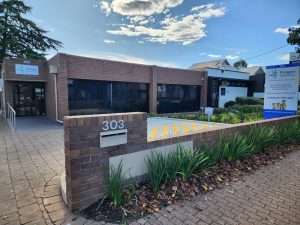
At our office ( 303 Payneham Road Royston Park SA 5070 ) or via zoom (after an initial f2f session).
We have great car parking at our office for clients.
For More Information
For more information about the Compensable Persistent Pain Program please register your interest using the button below or phone (08) 7095 3484 or email us and we'll get back to you.


Check Our Other Programs
For more information on one of our many programs, like one of the following, please select the relevant link to register your interest.
- Compensable Persistent Pain Therapy Programs for managing persistent pain.
- Meerkat Anxiety Therapy Programs for innovative ways to manage anxiety and train you to achieve resilience and calm.
- SOMNI Sleep Therapy Program includes education about sleep, reducing and helping you eliminate the need for medications as well as hypnosis to aid in regulating your sleep patterns.
- Driver Active8 Therapy Program for treating trauma and fear of driving or being a passenger.
- Art Therapy Programs to help express emotions without words and process complex feelings which can help you find relief from what is causing you angst.
- Adult ADHD Therapy Program addressing many of the issues you may have encountered including identifying the symptoms of Adult ADHD, strategies of management, and turning your ADHD into a superpower.