











Are We Over-Medicalising Depression?
05/06/2025
Before You Buy Another Sleep Gadget
26/06/2025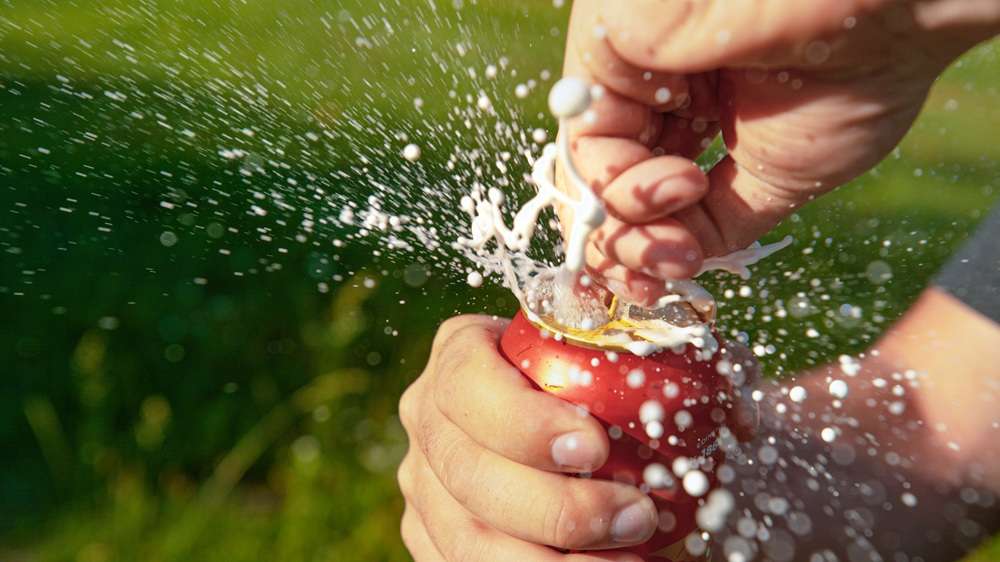
Never Mind the Fizz
Feeling Overwhelmed
Forrest Gump once said that "life is like a box of chocolates." Maybe so. But life can also be like a glass of fizzy drink. That might sound odd but stay with me. A glass can only hold so much fizzy drink before it overflows, and in the same way, we can only manage so many stressors in life before we feel overwhelmed.
We’ve all had this experience: you crack open a fresh lemonade, resist the urge to drink from the bottle, and grab a glass. Eager for the sugary (or artificially sweetened) hit, you dump it into the glass and watch in horror as the fizz bubbles over and spills across the bench. You rush to get a paper towel, and by the time you're back, the fizz has settled. What’s left is a glass that’s only half full. The overflow wasn’t from the liquid itself, but from the fizz. Similarly, it's often not just the task, obligation or stressor that overwhelms us, but the emotional "fizz" that comes with it.
Let’s start with something we all have to contend with — chores. Say you need to clean the house. Physically, it’s a pretty simple task. But if your first thought is, "This place is disgusting, I should’ve done this days ago," you might quickly spiral into self-criticism. "Why can’t I keep up like everyone else? What if someone drops by and judges me?" Suddenly, you’re not just cleaning; you’re wrestling with guilt, shame, and imagined scenarios. Again, that’s fizz.
Even small interactions can produce fizz. You get a text from a friend: "We should catch up!" Easy enough — just reply. But you remember that you didn’t reply to the text last time. You start wondering if they’re annoyed and feel like you need to include an apology. You draft a careful response, then revise it. Then you forget to send it. Days go by. Now the reply isn’t just a text — it’s a symbol of guilt and reconnection. The fizz has taken over.
It can feel like every little thing has the potential to push us into overload. But here’s the good news: just as a fizzy drink settles if you leave it alone, our nervous system can too. The key is learning to notice the fizz — those extra layers of emotion, memory, and prediction that we stack on top of a task. When you spot it, you create a chance to step back, take a breath, and let things settle.
Try these exercises next time you feel your cup might overflow. They’re designed to help you spot the fizz and let it settle.
Exercise 1: Label the Fizz
What to do: When you feel overwhelmed, open your notes app or grab a pen and paper. Write down the situation or task that’s stressing you out. Then list the thoughts and feelings that come with it. Ask yourself: which of these are facts ("I have laundry to do") and which are emotional projections ("I should have done this already, I’m useless")?
Why it works: Naming the fizz helps you see it for what it is — mental noise. That awareness alone can reduce its power and let your mind settle.
Exercise 2: The One-Thing Anchor
What to do: If you catch yourself spiralling, pause. Choose one small, concrete next step. Not the whole task — just the next thing ("Text back: 'Sure, when are you free?'", "Put the dishes in the sink").
Why it works: Fizz feeds on mental time travel — ruminating about the past, catastrophizing about the future. A present-moment action brings you back to now, helping stop the cycle.
Conclusion
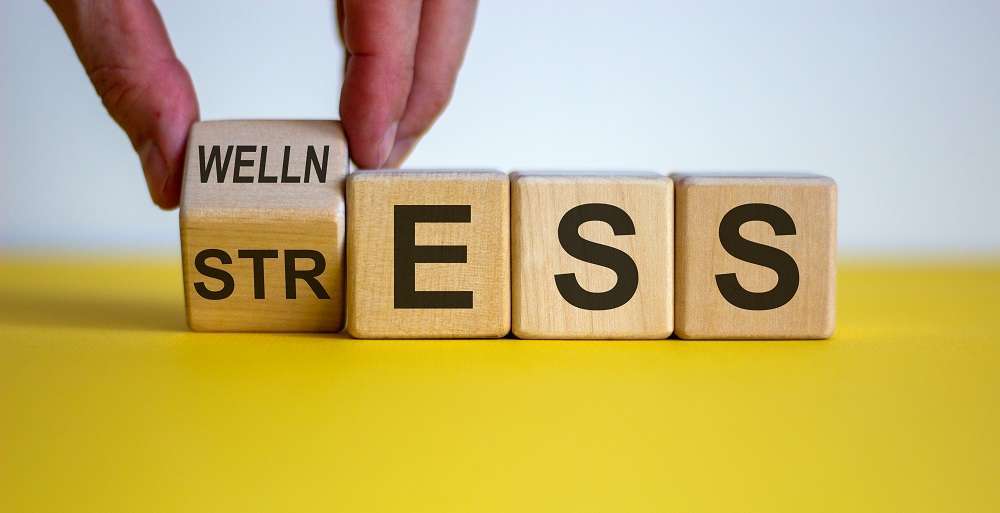
Stress is unavoidable, but becoming overwhelmed can be more about how we respond than what we face.
It’s not always the situation itself, but the fizz — the emotional amplification — that makes things unmanageable. By noticing and naming that fizz, and anchoring ourselves in the present, we make room for calm.
So next time life feels like it’s spilling over, pause and ask: is your glass really full, or is it just fizzing?
You can reach out to Paragon PsychConnect if you would like to see a Psychologist to help you with your fizz.
Contact us today to start a conversation on (08) 7095 3484, or send us a message, if you are interested.