











When the Ocean Became a Trigger: My Journey With Panic and PTSD
29/09/2025
Don’t Believe Everything You Think – When Your Mind’s GPS Gets It Wrong
06/10/2025
Mental Health Month 2025
Coffee with a Psychologist
This Mental Health Month 2025, we invite you to pause, reflect, and connect over “Coffee with a Psychologist.” Together, we’ll explore practical ways to nurture mental wellbeing, reduce stigma, and strengthen everyday resilience.
As I write this blog post I have my morning coffee in hand, and I can’t help but imagine discussing this week’s topic with a friend over our favorite beverages at a local café, so…
Coffee in hand, phones down - can I tell you the five things I wish everyone knew about mental health? The stuff that doesn’t always make it into neat posters but actually helps.
This year’s Mental Health Month 2025 theme, connecting when it counts, reminds us that community care and professional care work best together.
1) You don’t have reach “bad enough” to get help
You’ve heard it before, but it bears repeating: there’s no such thing as being “bad enough” before you can seek help. If you twist your ankle, you don’t wait for a broken bone to take it seriously. Mental health works the same way. If something is impacting your sleep, work, or relationships, that’s valid. Early support stops problems from hard-baking into unhelpful habits and thinking patterns.
So, if you feel like your mental health is taking a hit, treat it like a sore ankle and respond early: book a longer GP appointment to talk options (including a Mental Health Care Plan), and loop in one person you trust so you’re not doing it alone.
Skills from a professional + steadiness from your people = momentum.
2) Motivation usually arrives after you start
We imagine motivation will knock, we’ll feel ready, then we’ll act. Honestly? It’s often the other way round. You try a tiny thing (two minutes of breathing, getting outside for morning light, texting a friend) and your brain goes, “Oh, we’re doing this,” and releases a little momentum. Waiting for the magic ‘motivation’ to arrive keeps people stuck.
With clients I rarely ask about “motivation” anymore, I ask about willingness: “Are you willing to show up for two minutes, even if you don’t feel like it?”
Think kettle-on, slow breath, then the smallest version of the thing that matters: open the email and write one line; lace the shoes and walk to the letterbox; stand in the morning light for a minute.
You’ll find the hardest part was starting, and the rest is just the next tiny step.
3) “Other people cope. Why can’t I?”
Cue shame, more isolation, and a secret hope that grit will fix everything.
Lots of people carry this one like a secret rule: other people cope, so I should just push harder. But distress isn’t a verdict on your character, it’s a signal from a body-mind system that’s juggling biology, psychology, and the world around you. If your ankle twinged every time you ran, you wouldn’t decide to be “tougher” and keep sprinting. You’d change the load, get some support, and give it a chance to heal.
Your mental health is the same. Strength is noticing early, responding kindly, and recruiting what helps: a longer GP appointment to talk through options, a chat with a psychologist to learn skills, a practical favour from a mate so the week feels less impossible.
4) Anxiety isn’t the enemy, avoidance is
Anxiety loves a quick win: the minute you skip the event, delay the call, or put off the conversation, you feel relief and your brain quietly learns, “That was dangerous; avoid it next time.” Mine does this too, by the way. I’m a psychologist and a human, and my brain still pitches avoidance as the clever option when it wants short-term comfort.
Avoidance doesn’t just keep anxiety alive; it starts to breed new problems. But the goal isn’t to banish anxiety, it’s to move it from the driver’s seat to the back seat. Think of it like a noisy toddler on a car trip: you don’t need them silent to drive, you just need to keep your hands on the wheel and choose a small, doable move in the direction you care about.
Connection helps more than pep talks: ask a friend to help you do the thing you’re avoiding, or text, “I’m nervous and doing it anyway…can I let you know when it’s done?”
5) Progress is messy, and that’s normal
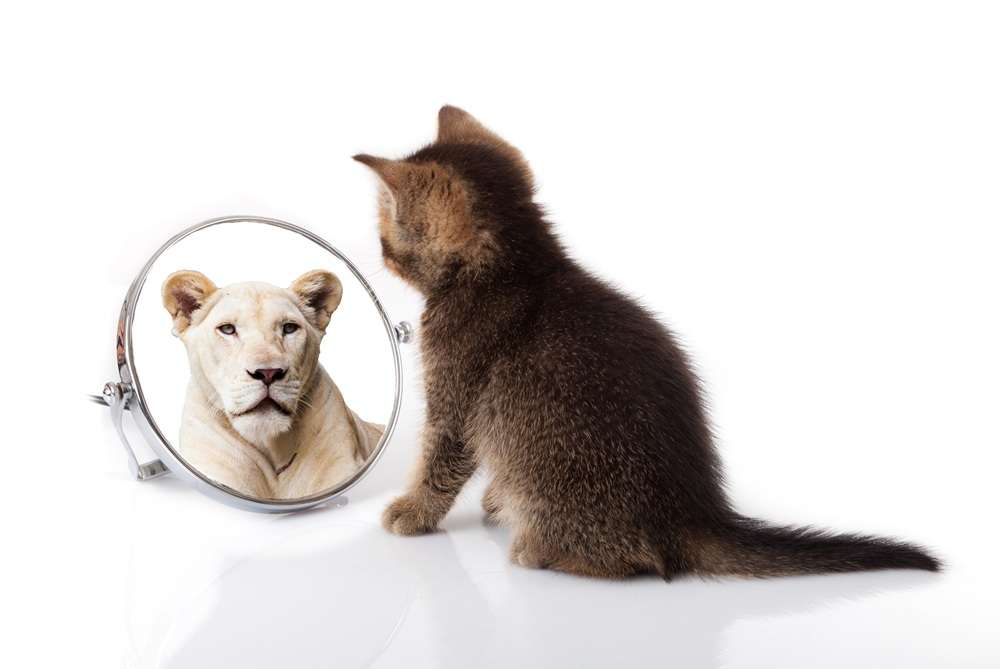
You’ll have a good week, a wobbly one, and a surprise wave of sadness on a random Tuesday. Nothing’s wrong with you, you’re human! The trick is noticing what helped during the good week and doing a smaller version of that when you’re flat. Two minutes counts. So does stepping outside to get some sun. So does laughing with someone about something dumb.
Some tiny habits that help me on those flat days:
- Morning light + movement: Two to ten minutes outside, then a gentle stretch.
- 90-second reset: Inhale 4s, exhale 6s; relax your jaw and shoulders.
- Scroll limits: Swap the temptation to scroll for a voice note to a mate.
A gentle challenge for you this week
So, let’s finish our coffees and keep it simple: one tiny step, one tiny connection, today. We do this best together. Share this with someone who might need it, check on a mate, or ask for a check-in yourself.

“Coffee with a Psychologist” highlights the importance of Mental Health Month 2025 by offering accessible insights, meaningful conversations, and simple strategies to support resilience and wellbeing in everyday life.
If you want a hand getting started, then book a longer GP appointment, or message a friend that you’d like to connect with or reach out to us at Paragon PsychConnect to speak to a Psychologist.
Contact us today to start a conversation with a Psychologist on (08) 7095 3484, or send us a message, if you are interested.