












Mindful Chocolate Eating for Mental Health
07/07/2026
Fear Avoidance and Chronic Pain: How Avoiding Pain Can Make It Worse
26/07/2026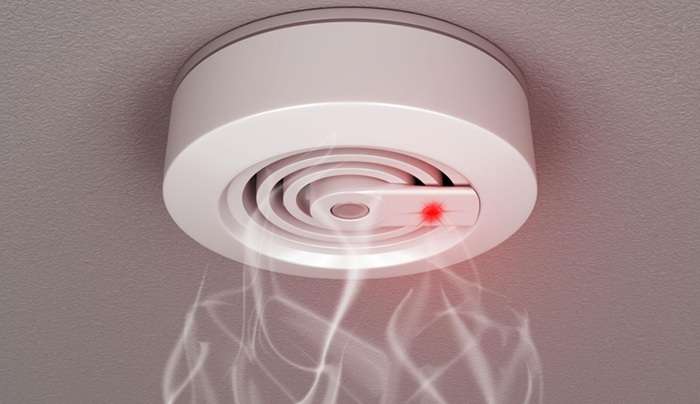
When Your Brain's Smoke Alarm Won't Switch Off
The anxiety alarm system is designed to keep us safe, but sometimes it sounds the alarm when there is no real danger. A simple message, a tight chest, an upcoming deadline or an uncomfortable conversation can suddenly feel urgent and threatening. This blog explains why anxiety can feel so convincing, why the brain fills in missing information with worst-case scenarios, and how you can begin responding to anxious thoughts with more curiosity and less panic.
It’s probably just a false alarm.
Picture this: it's 2am and your smoke alarm suddenly starts blaring. You jump out of bed convinced there's a fire somewhere in the house. Your heart is racing, adrenaline is pumping, and you're already planning how to get everyone to safety.
Ten minutes later, you discover the cause: a low battery.
Frustrating? Absolutely. But it's also a useful way to think about anxiety.
Our brains are designed to detect danger and keep us safe. Most of the time, that's incredibly helpful. If there were a genuine threat in front of you, you'd want your nervous system responding quickly and effectively.
The challenge is that our brains don't always distinguish between a real threat and a perceived one. An uncomfortable conversation, a looming deadline, an unanswered message, or critical feedback can sometimes trigger the same alarm system that was originally designed to protect us from physical danger.
This happens because our threat response system is built to prioritise survival rather than accuracy. From an evolutionary perspective, it's safer for the brain to overreact than to miss a genuine threat. In other words, our internal alarm system would rather create a few false alerts than fail to warn us when we're actually in danger.
While this response may have helped our ancestors survive, modern life presents a different set of challenges. Most of us aren't facing predators. Instead, we're navigating work pressures, relationships, financial stress, social expectations, and the constant flow of information competing for our attention.
When Anxiety Starts Filling in the Blanks
Have you ever received a message that simply says, "Can we talk?"
Within moments, your mind may have created an entire story:
- Have I done something wrong?
- Are they upset with me?
- Is there a problem I don't know about?
- Why do I suddenly feel like this is going to end badly?
Meanwhile, the person who sent the message may simply be checking whether you're free for lunch next Thursday.
Anxiety has a remarkable ability to fill gaps in information with worst-case scenarios.
The same thing can happen when we notice a physical sensation. A headache, a racing heart, tightness in the chest, dizziness, or unexplained fatigue can quickly capture our attention.
Before long, our thoughts may shift into overdrive:
- What if something is seriously wrong?
- What if I've missed an important warning sign?
- What if this is something major?
Often, our alarm system activates long before we have any evidence that there is actually a problem.
Why Anxiety Feels So Convincing
Once the brain detects a possible threat, it starts gathering evidence to support that conclusion. You may find yourself becoming hyper-aware of physical sensations, scanning for signs that something is wrong, replaying conversations, or interpreting neutral situations negatively. It's as though anxiety appoints itself head of security and starts treating every unexpected noise as a potential emergency.
When this happens, it's natural to want certainty as quickly as possible. We might:
- Re-read messages repeatedly
- Search symptoms online
- Seek reassurance from others
- Avoid situations that make us uncomfortable
- Try to "fix" the feeling immediately
While these strategies can provide temporary relief, they can sometimes reinforce the idea that the threat was real and that the alarm needed to sound.
Learning to Respond Differently
Managing anxiety isn't about eliminating the alarm system altogether. In many cases, the goal is simply recognising what's happening: "My brain is doing what brains do. It's detecting danger and trying to protect me." This small shift can be incredibly powerful.
When we stop treating every anxious thought, feeling, or sensation as an emergency, we give our nervous system an opportunity to recognise that we are safe. Often, the intensity of anxiety decreases more quickly when we respond with curiosity rather than urgency.
Try This: Challenge the Alarm
Exercise 1: Name the Alarm
The next time anxiety shows up, pause and label what's happening. Try saying: "My alarm system is activated right now."
Then describe the situation as objectively as possible:
- "I received an email with limited information."
- "My chest feels tight."
- "I have a presentation this afternoon."
- "I'm waiting for a response."
Why it helps: Anxiety thrives on uncertainty and assumptions. Clear, factual language helps separate what's actually happening from the stories anxiety is creating about the situation.
Exercise 2: Pause Before Reacting
When possible, delay your usual anxiety response for 10 minutes. Resist the urge to immediately:
- Google the symptom
- Seek reassurance
- Avoid the situation
- Check repeatedly for certainty
Instead, notice the urge and allow yourself to sit with the discomfort for a short period.
Why it helps: This teaches your nervous system that uncertainty and discomfort are not automatically dangerous. Over time, your brain learns that anxiety can rise and fall without requiring an immediate response.
The Takeaway
Your brain's alarm system isn't broken. In fact, it's doing exactly what it evolved to do: keep you safe.
The challenge is that modern life often activates the same threat response system that was designed to protect us from physical danger. Difficult conversations, uncertainty about the future, health concerns, workplace pressures, and social situations can all trigger the same internal alarm.
Not every alarm means there's a fire. Sometimes it's simply anxiety doing its best to protect you from a threat that isn't actually there.
Learning to recognise the difference can help you respond with greater confidence, reduce avoidance, and build a healthier relationship with anxious thoughts and feelings.

Summary
The anxiety alarm system is not broken; it is trying to protect you. The difficulty is that it can sometimes mistake uncertainty, discomfort or everyday stress for danger. By learning to notice the alarm, name what is happening, pause before reacting and separate facts from anxious assumptions, you can reduce avoidance, build confidence and respond to anxiety in a calmer, more helpful way.
Want to Learn More?
At Paragon PsychConnect, our psychologists support people to better understand anxiety, reduce avoidance and build practical coping strategies.
Want to understand your anxiety alarm system a little better? Keep an eye out for our upcoming Anxiety Program, where we’ll explore practical strategies for understanding anxiety, reducing avoidance, and responding to anxious thoughts and feelings in a more helpful way.
Action
If you would like help with your anxiety alarm system, register your interest in our Meerkat Anxiety Program group program, or give Angela a call on (08) 7095 3484, or send us a message. You can also come and see a psychologist one on one.
Explore More Hugh Blogs
Read more mental health blogs by Hugh at Paragon PsychConnect.
Explore Our Related Programs
- Anxiety / Meerkat Anxiety Program
- SOMNI Sleep Program, relevant to anxiety and regulation
Further References
- Healthdirect Australia - Anxiety
- Beyond Blue - Anxiety Symptoms
Disclaimer
This blog provides general information only and is not a substitute for individual psychological or medical advice.