










Week 5 Post-Op: The Return to Work, the Reality, and Rewriting “Pacing”
05/04/2026
Early Functional Changes After Injury
12/04/2026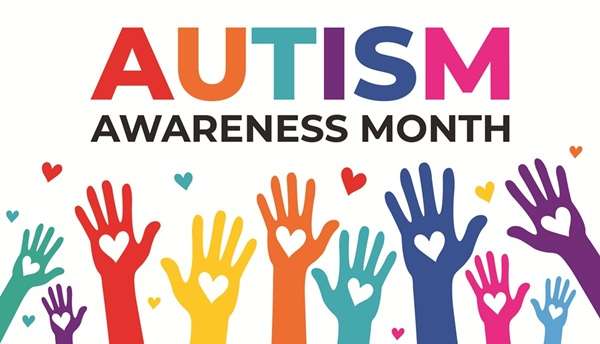
Moving Beyond Awareness of Autism
Masking, Misunderstanding, and the Myth of “Overdiagnosis”
Autism masking is one of the most misunderstood aspects of the autistic experience. Many individuals spend years hiding their differences to fit into a neurotypical world, often appearing to cope while struggling internally. This can lead to missed diagnoses, mental exhaustion, and the false belief that autism is being over diagnosed.
When people talk about autism, the conversation often focuses on awareness — what autism looks like, how to recognise it, and why understanding matters.
But another conversation has also become more common: “Is autism being over diagnosed?”
It’s an important question, but from a clinical perspective, what many people call “overdiagnosis” often looks more like better recognition.
For many autistic people, the story is not one of being “labelled too quickly.” It is a story of spending years being misunderstood, overlooked, or trying to fit into environments that were never designed with their needs in mind.
What is masking?
Masking is when an autistic person consciously or unconsciously adjusts how they behave in order to meet social expectations or avoid standing out.
This can include:
- Copying social behaviour: Learning social rules that don’t come naturally. For example, rehearsing conversations, copying tone of voice, forcing eye contact, or using scripts in social situations.
- Hiding natural responses: Suppressing behaviours that help with regulation, such as stimming, needing breaks, or expressing sensory discomfort.
- Performing “I’m fine”: Appearing calm, confident, or socially comfortable on the outside while feeling anxious, overwhelmed, or exhausted internally.
Why masking matters
From the outside, masking can look like someone is coping well. They may seem successful, social, or “high functioning.” But appearances can be misleading.
Masking does not remove autism. It often hides the effort required to get through the day.
Behind the mask there may be:
- mental exhaustion.
- anxiety.
- low mood.
- sensory overload.
- burnout.
- identity confusion.
- chronic stress from constantly monitoring behaviour.
Many autistic adults describe feeling like they are always “on”— managing the situation itself while also managing how they are being perceived.
Why more people are being identified now?
Autism has not suddenly appeared. What has changed is our understanding.
We now know autism can look very different from one person to another. It does not always match outdated stereotypes. Some people speak well, work, study, or appear highly capable while still experiencing significant internal challenges.
We also better understand:
- masking.
- sensory differences.
- burnout.
- differences in women and girls.
- late-diagnosed adults.
- co-occurring ADHD, anxiety, trauma, or depression.
As awareness improves, more people recognise themselves in these experiences and seek assessment and support.
That is not overdiagnosis. It is often long overdue recognition.
What helps?
Moving beyond awareness means looking beneath the surface.
Instead of asking only, “How does this person appear?” we might also ask:
- How much effort is this taking?
- What happens after they leave?
- Are they exhausted from holding it together?
- What environments help them feel safe and authentic?
- What supports would reduce the need to mask?
It also means creating workplaces, schools, and relationships where people do not have to hide who they are just to belong.
A message for autistic clients
If you have spent years feeling different, misunderstood, or exhausted from trying to “keep up,” you are not alone.
Many people are identified later in life only after years of wondering why things felt harder than they seemed for everyone else. There can be relief, grief, clarity, and many mixed emotions in that process. All of those responses are valid.
Support is not about changing who you are. It is about understanding your nervous system, reducing unnecessary struggle, and building a life that works for you.

Further Reading & Learning
- Unmasking Autism, by Devon Price – An amazing book that explores masking, identity, and the lived experience of autistic individuals, particularly those who have gone unrecognised or misunderstood.
- The Awesome Autistic Go-To Guide, by Yenn Purkis and Tanya Masterman – a practical and accessible resource offering a teen perspective on autistic identity, experiences, and navigating the world.
- The Neurodivergent Woman Podcast – explores all forms of neurodivergence (including autism) through both lived experience and psychological perspectives, offering nuanced and relatable discussions.
Autism masking helps explain why so many autistic individuals are identified later in life after years of being misunderstood, mislabelled, or pushed to adapt at great personal cost. Greater understanding moves us beyond awareness and toward genuine acceptance, support, and inclusion.
April is Autism Awareness Month every year.