









Surgery, Function & the Brain Day: 15 Post-Op: The Pacing Paradox
14/03/2026
Week 5 Post-Op: The Return to Work, the Reality, and Rewriting “Pacing”
05/04/2026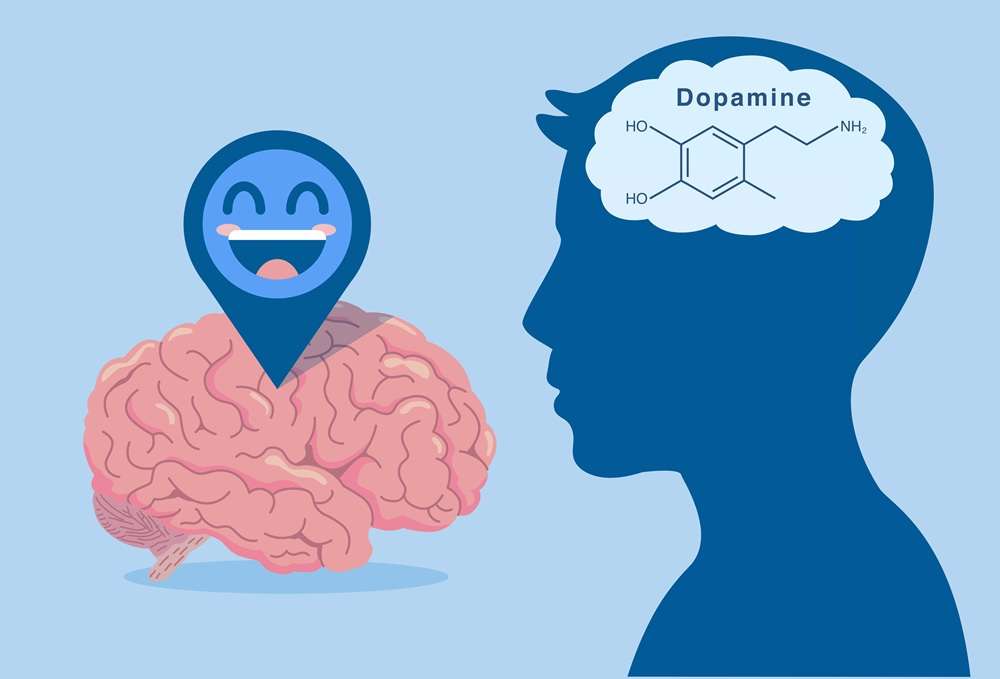
How to Get High on Your Own Dopamine
the brain, behaviour, and the quiet return of momentum
If you’ve ever wondered how to boost dopamine naturally, the answer isn’t found in quick fixes or fleeting highs — it’s built through small, meaningful actions that retrain the brain. Dopamine isn’t just a “feel-good” chemical; it’s a driver of motivation, learning, and forward movement. When pain, stress, or low mood take hold, this system can stall. The good news is that it can also be reactivated — deliberately and effectively.
There’s a point in recovery — whether from injury, burnout, or simply life — where things don’t suddenly improve… but they begin to shift.
Not dramatically. Not all at once. Just enough that you notice it.
A small lift in energy. A slight willingness to do something you’ve been avoiding. A sense — however brief — that you’re moving again.
That shift is often dopamine at work.
Not the “feel-good hit” we’ve been conditioned to think about, but something far more clinically useful: the brain’s signal for motivation, effort, and forward movement.
Dopamine is widely misunderstood. It’s often framed as pleasure, reward, or even indulgence. But in practice — and particularly in clinical populations — it functions more as a driver of behaviour than a reward for it.
It fires in anticipation. It rises with effort. It strengthens when we perceive progress. This aligns with current neuroscience understanding of dopamine as a motivation and prediction system rather than simply a “feel-good” chemical (see National Geographic article)
Which is why waiting to “feel motivated” is rarely effective. The system doesn’t work that way.
Action comes first. Dopamine follows.
I saw this play out very clearly today.
For the first time since my back surgery, I got on the treadmill. Nothing excessive — 15 minutes.
Controlled, deliberate, cautious. But significant.
Not because of the duration, but because of what it represented: re-engagement.
And it felt fantastic!
Not just physically, but neurologically. There was a clear shift — subtle, but unmistakable. A sense of capability returning. A reminder that movement is still available to me. I hopped on the treadmill with the thought that I would do only 5 mins at 3kms/hour, but then felt so good, I ended up doing 15 mins at 4kms/hour speed making even more Dopamine.
New Goal – In 2 weeks to be doing 20-25 mins but at 5km/hr speed. Doable and pacing all in one!
That’s dopamine doing its job. Not as a reward at the end, but as a reinforcement of effort in real time.
Later, I decided to extend that momentum in a very different way.
I made Torcetti al burro e birra — a butter and beer biscotti. Something I ate in Italy and loved, tied to memory, place, and experience.
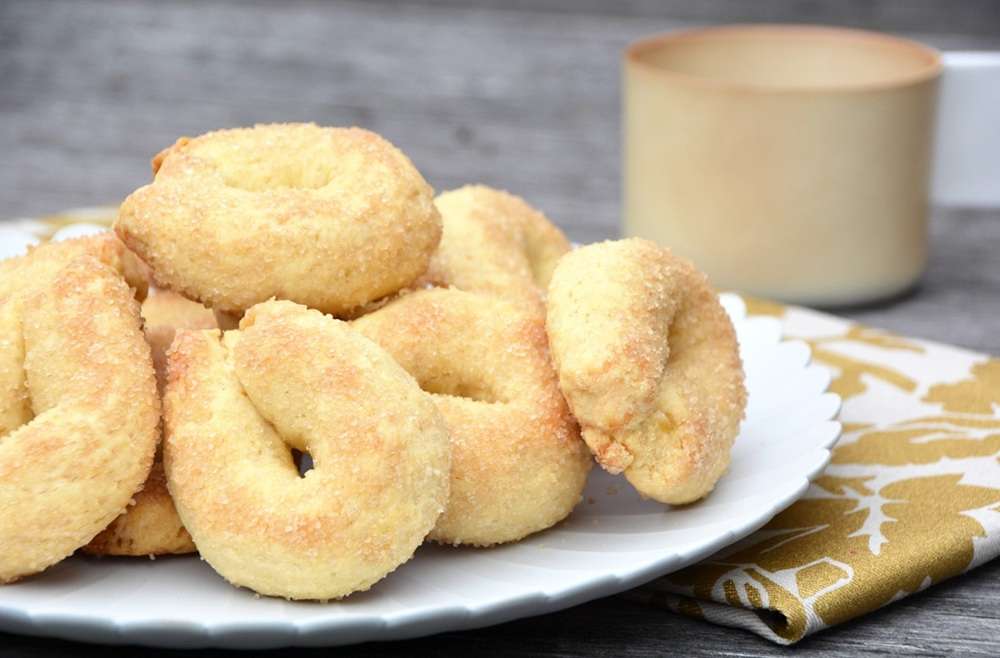
There’s something important here. Dopamine is not only driven by effort — it’s also shaped by meaning and association.
The act of baking wasn’t just about the outcome.
It was:
- sensory (smell, texture, process).
- cognitive (following steps, creating something).
- emotional (connection to past experiences).
And then, of course, I ate four! Promptly - no regret - because this wasn’t passive consumption — it was earned, engaged, and experienced.
This is where the distinction becomes critical.
We are surrounded by opportunities for easy dopamine — scrolling, snacking, constant stimulation. But these tend to produce short, sharp spikes without sustained satisfaction.
In contrast, the dopamine that restores motivation and function is typically linked to:
- effort.
- completion.
- movement.
- meaning.
The kinds of behaviours that people often reduce when they’re struggling.
In clinical work — particularly in pain presentations — this pattern is consistent.
Activity decreases. Avoidance increases. The world narrows.
And over time, the brain stops expecting reward from effort.
Not because the person lacks motivation, but because the dopamine system is no longer being activated in a meaningful way.
This is where intervention matters.
Not through intensity. Not through pressure. But through structured re-engagement.
Practically, this means starting smaller than expected.
- A short walk instead of a full workout.
- One completed task instead of a long to-do list.
- A brief, intentional activity instead of passive distraction.
Each completed action provides a signal: “This is worth doing again.”
And dopamine begins to recalibrate accordingly. There is also a physiological layer that is often overlooked.
Dopamine production relies on basic building blocks — nutrition, sleep, and regulation. Without these, the system becomes harder to activate, regardless of intention.
Which is why foundational behaviours — eating well, moving regularly, sleeping consistently — remain central, even when they feel effortful.
What becomes apparent over time is this: The most reliable way to feel better is not to seek pleasure directly, but to engage in behaviours that generate it as a byproduct.
Movement – Creation – Completion – Connection.
These are not just lifestyle recommendations — they are neurobiological interventions.
Today wasn’t remarkable on paper.
Fifteen minutes on a treadmill.
A batch of biscotti.
But functionally, it represented something far more important:
- A shift from inactivity to engagement.
- From hesitation to action.
- From flatness to momentum.
And that’s ultimately what this is about.
Not chasing dopamine. But creating the conditions where your brain starts to expect, anticipate, and respond to effort again.
If there’s a place to start, it’s here:
- Do something small.
- Do it deliberately.
- Finish it.
Then notice — not just how you feel — but how your brain begins to lean forward.
That’s dopamine. And it’s already yours.
Understanding how to boost dopamine naturally provides a powerful, science-backed pathway to improving mood, restoring motivation, and rebuilding functional capacity. Through consistent, meaningful actions — movement, connection, mastery, and reward — the brain can shift from survival mode back into growth. This is not about chasing short-term highs, but about creating sustainable neurological change that supports long-term recovery and wellbeing.