








Sleep Facts – Busting Common Myths About Rest
08/09/2025
Mental Health Month 2025: Coffee with a Psychologist
29/09/2025
When the Ocean Became a Trigger
My Journey With Panic and PTSD
Sometimes the places we once loved can become unexpected sources of fear. For me, the ocean turned into an ocean PTSD trigger, sparking panic attacks and a journey I never anticipated. In sharing my story, I hope to shed light on how trauma can shape us and how healing is always possible.
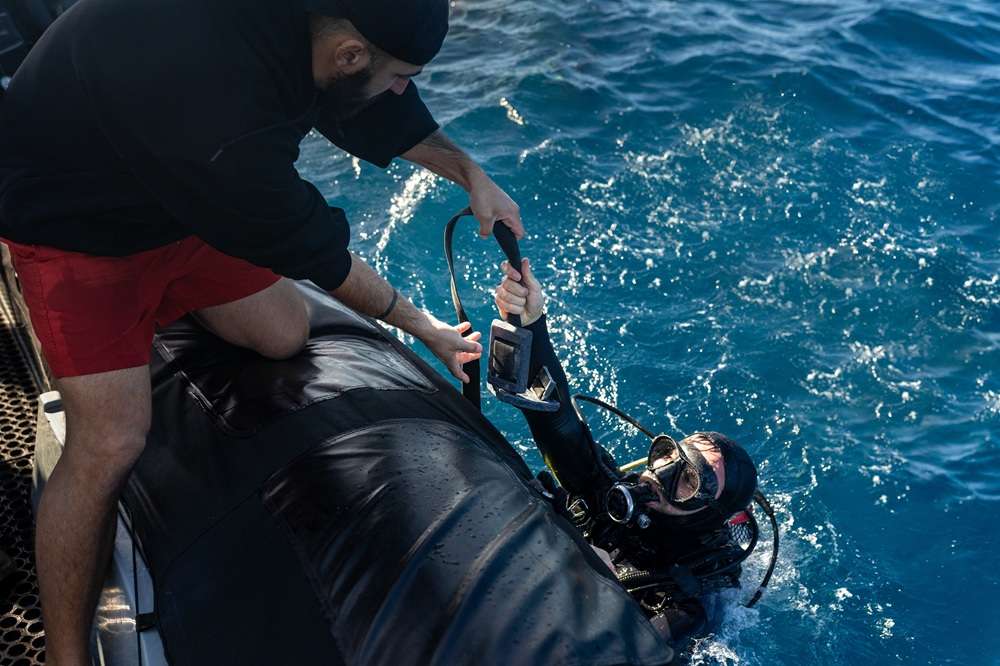
In my late 20s, I thought I was unstoppable. I had started a career I loved, I was fit, adventurous, and ready to take on challenges. One of those challenges was completing Part 2 of a dive course off Glenelg beach. The plan sounded simple enough: head out on the boat, jump into the water, descend 7 to 10 metres, remove your gear and weights, swim along the bottom, then put it all back on again. Do this, and you pass the course.
But the ocean had other plans.
It was a rough day on the water. I’ve always been prone to seasickness, and I hadn’t taken anything for it because of the dive. My mind began racing: What if I vomit underwater and choke? What if I float uncontrollably to the surface and get the bends? And, hovering in the background of all this was the terrifying knowledge that just a week earlier, a white pointer shark had attacked a diver not too far from where we were.
I remember the moment clearly. I was only a couple of metres below the surface when I lost my regulator and began swallowing water. My chest tightened, panic surged, and I bolted back up. The instructor calmly told me this wasn’t unusual and encouraged me to try again. I knew better. I told him, “I’m having a panic attack.” His reply: “You’re just a bit anxious, it will pass.”
It didn’t pass. It got worse. After a second failed attempt, I demanded to get out. I can still recall the mix of embarrassment and relief as I sat on the boat, watching everyone else finish their dive.
That evening, I was utterly drained. I showered, crawled into bed, and thought I had put it behind me. But the next morning, standing at the pool where I swam every day before work, something unexpected happened. The moment my face touched the water, my body betrayed me. My heart raced, my chest seized, and I was swept up in another full-blown panic attack.
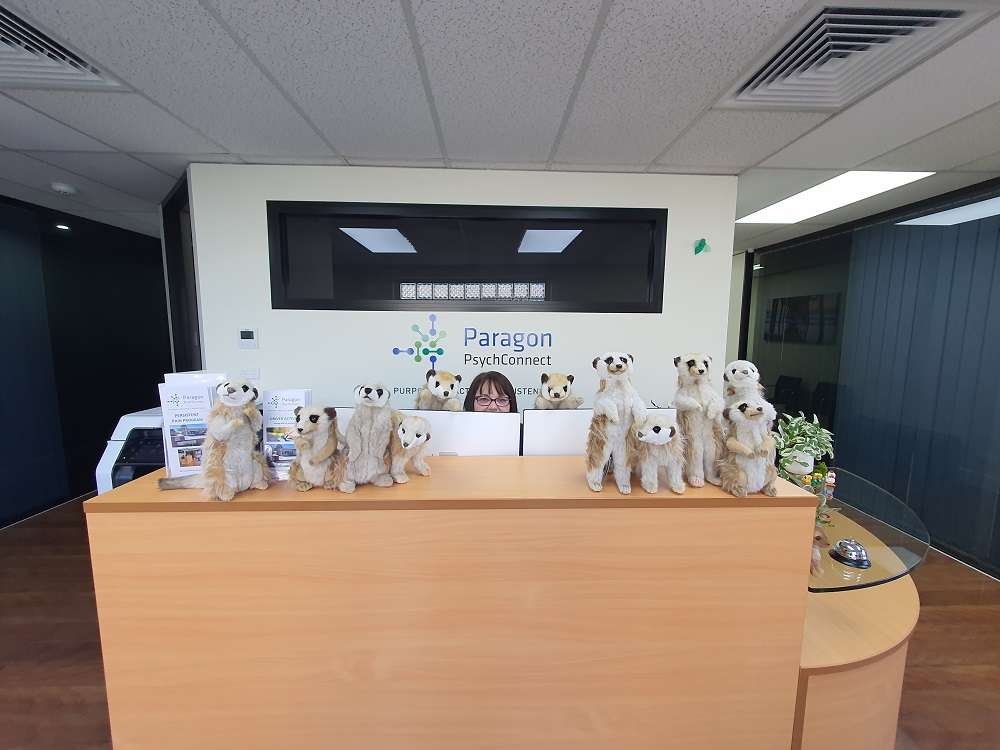
In that moment, my amygdala — the primitive “meerkat brain” that detects danger — had linked water on my face with imminent death. It didn’t matter that logically I was safe. My brain had recorded the dive as a life-threatening event, and now it fired off alarms at the simplest cues: water in the shower, swimming laps, even just putting my head under.
That was the beginning of my journey with panic and post-traumatic stress.
Rewiring a Traumatized Brain
Recovery didn’t come overnight. For six months, I had to desensitise myself slowly and deliberately. I swam with a snorkel, or only on my back, keeping my face above water. Bit by bit, I retrained my brain to tolerate those triggers again. Eventually, I was able to swim freestyle, shower without panic, and reclaim my love of the water.
But here’s the thing about trauma: it leaves traces. Even now, 30 years later, if I haven’t swum in a while, the first splash on my face can bring those symptoms rushing back. My heart pounds, my chest tightens, and for a fleeting moment, I’m back on that dive.
The difference now is that I know what’s happening. I pause. I remind myself: You are safe. This is not then. I sometimes visualise myself swimming with dolphins, playful and free, and the panic eases.
Why I Share This
Back in university, when I first read about panic attacks, I remember wondering what they would feel like. Now, after living through them, I can sit with my clients and say with complete honesty: I know exactly how terrifying this is.
But I can also tell them something just as important: You can learn to manage it.
PTSD and panic attacks are not signs of weakness. They are evidence of a brain doing its best to protect you — even when it gets the signals wrong. With patience, support, and the right strategies, it is possible to retrain that brain. To live fully, even with the memories that sometimes resurface.
Finding Balance
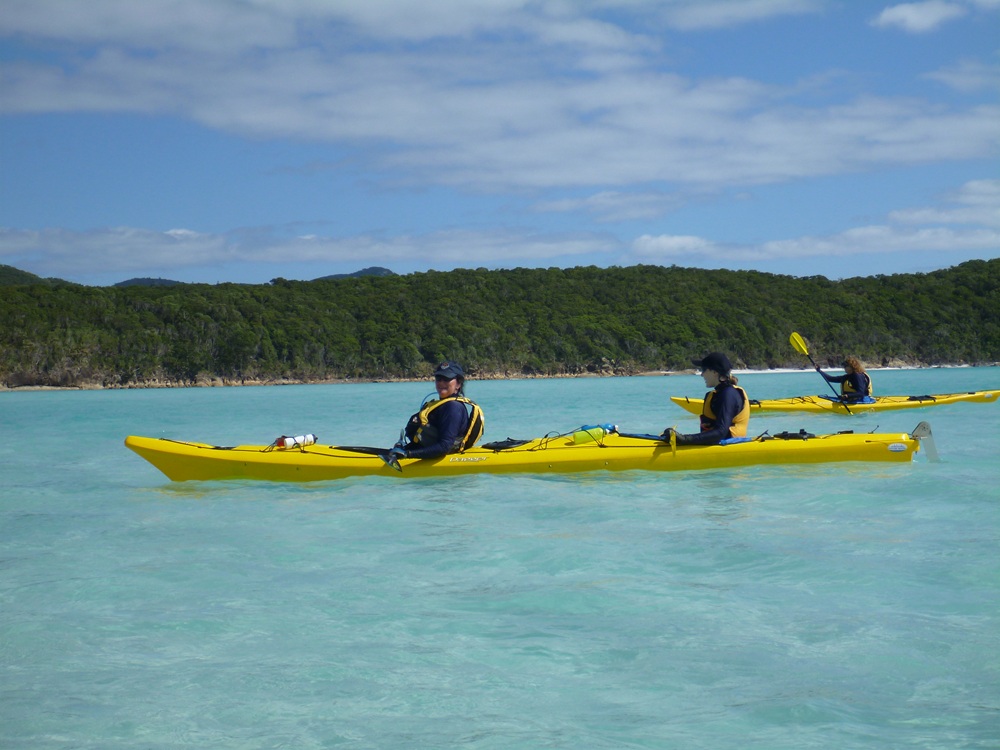
Today, I still love the ocean. I swim in it, I sea kayak, and when my mind drifts to sharks, I don’t think of Jaws. I think of Bruce, the cartoon shark from Finding Nemo. My logical brain knows Bruce isn’t real — but my meerkat brain prefers the friendlier version, and that works for me.
For anyone living with panic, anxiety, or PTSD: please know you’re not alone. Triggers may be unpredictable, symptoms overwhelming, but recovery is possible. It doesn’t mean erasing the fear. It means learning to live alongside it, with courage and compassion.
This is the story of how the ocean became my PTSD trigger, sparking panic attacks and a deeper understanding of trauma. By sharing this journey, I hope to inspire resilience, encourage open conversations, and remind others that healing is possible.
This Mental Health Month, let’s keep the conversation open. Share your story. Reach out for help. Remind yourself — and others — that healing doesn’t mean forgetting. It means finding new ways to live with the old scars and still step forward into life.
You can reach out to Paragon PsychConnect if you would like to see a Psychologist for an individual appointment, or you can register your interest in our Meerkat Anxiety Therapy Programs.
Contact us today to start a conversation on (08) 7095 3484, or send us a message, if you are interested.