










Is Your Child Really “Just Being Moody” — Or Is It Something More?
30/07/2025
Loneliness Awareness Week – Why Moments Matter
02/08/2025
Bullying. No Way!
A Parent’s Guide to Taking a Stand Together
Bullying isn’t just “kids being kids.” It’s a serious issue that can harm a child’s mental health, learning, and relationships — and sadly, it’s happening more often than we’d like to think.
That’s why, this annual event helps schools, families, and communities work together to raise awareness, empower young people, and promote safe and respectful environments for every student.
So, What Is Bullying — Really?
Bullying is more than a one-off argument or rough play. It’s repeated, intentional behaviour that causes harm or distress. It often involves a power imbalance — whether physical, social, or psychological — and can take different forms:
- Physical: hitting, pushing, or damaging someone’s belongings.
- Verbal: insults, name-calling, threats, or slurs based on race, gender, or sexuality.
- Social: spreading rumours, excluding someone, or turning peers against them.
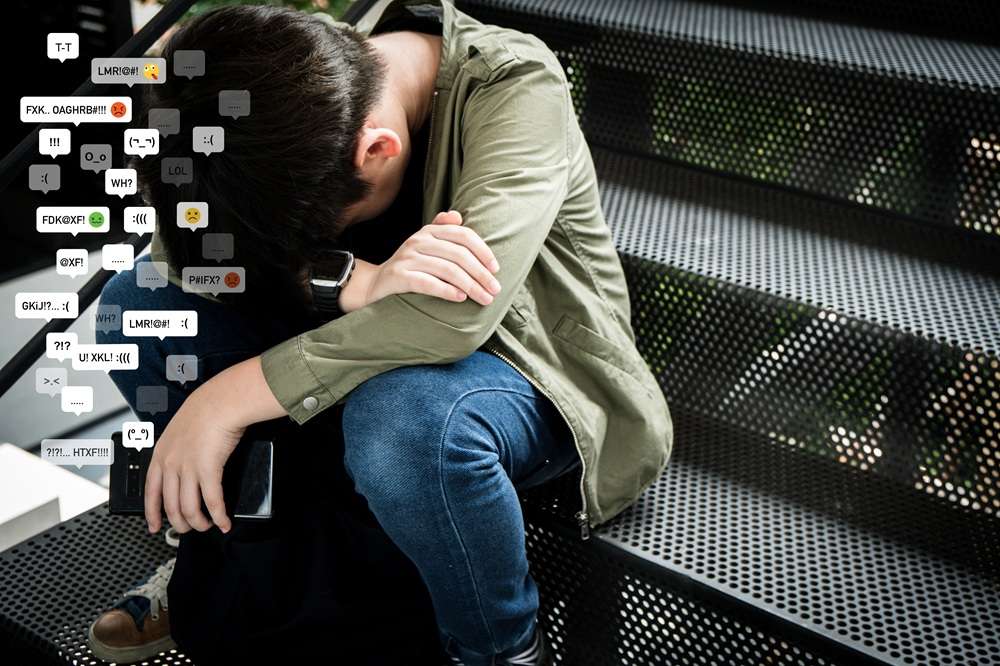
- Cyberbullying: using technology (like social media or texts) to embarrass, threaten, or isolate.
Isn’t That Just Harassment?
Bullying and harassment can overlap. But harassment often relates to someone’s identity (like race, disability, gender, religion, or sexuality) and can also come from adults or people in authority. Both hurt — and both need to stop.
How Common Is It?
You might be shocked:
- Around 1 in 4 students have experienced bullying
- Over 50% report being cyberbullied
Many young people are targeted online — through cruel messages, social exclusion, fake rumours, and even threats. These experiences don’t just disappear; they can impact a child’s self-esteem, concentration, and ability to feel safe — even at home.
Case Study: Mia’s Story
Mia is 12 and just started Year 7. She loves art and science but began withdrawing from schoolwork and stopped wanting to go to school. Her mum, Leanne, noticed Mia was constantly on her phone — and always upset after checking messages.
Eventually, Mia revealed that a group of girls were sending her cruel messages, posting photoshopped pictures of her online, and excluding her at recess. Leanne reached out to the school’s wellbeing coordinator, and together they developed a support plan. Through open communication, the bullying was addressed early. Mia began meeting with a school counsellor and reconnected with a small group of peers who made her feel valued.
Moral? Kids need adults to notice, ask questions, and act.
Why Prevention Matters
The effects of bullying can linger well into adulthood — impacting mental health, academic results, and even future relationships. But bullying can be prevented when students, families, and schools work together.
That’s the goal of Bullying No Way Week — to build strong, respectful connections so kids feel safe, seen, and supported. The 2025 theme, “Growing Connections, Cultivating Respect,” reminds us that when relationships are nurtured, bullying loses its power.
How You Can Get Involved as a Parent
Here’s how you can take part this August:
-
Start a Conversation
Talk to your child about what bullying looks and feels like. Ask open questions like:
- “Have you ever seen someone being picked on?”
- “How do you think they felt?”
- “What would you do if it happened to you or a friend?”
-
Know the Signs
Changes in mood, avoidance of school, sleep issues, or being overly secretive with their phone may be signs of distress. Trust your gut — and reach out.
-
Be a Role Model
Model respect, empathy, and kindness at home. Your child learns how to treat others by watching you.
-
Team Up with the School
If you suspect or know your child is being bullied — or is bullying others — talk to their teacher, year level coordinator, or the school wellbeing team. Schools have policies and tools in place to support children and take action.
-
Go Orange
Many schools wear orange during the week to show unity and commitment to safer schools. Join in with your child — it’s a small act with a powerful message.
Together, We Make a Difference
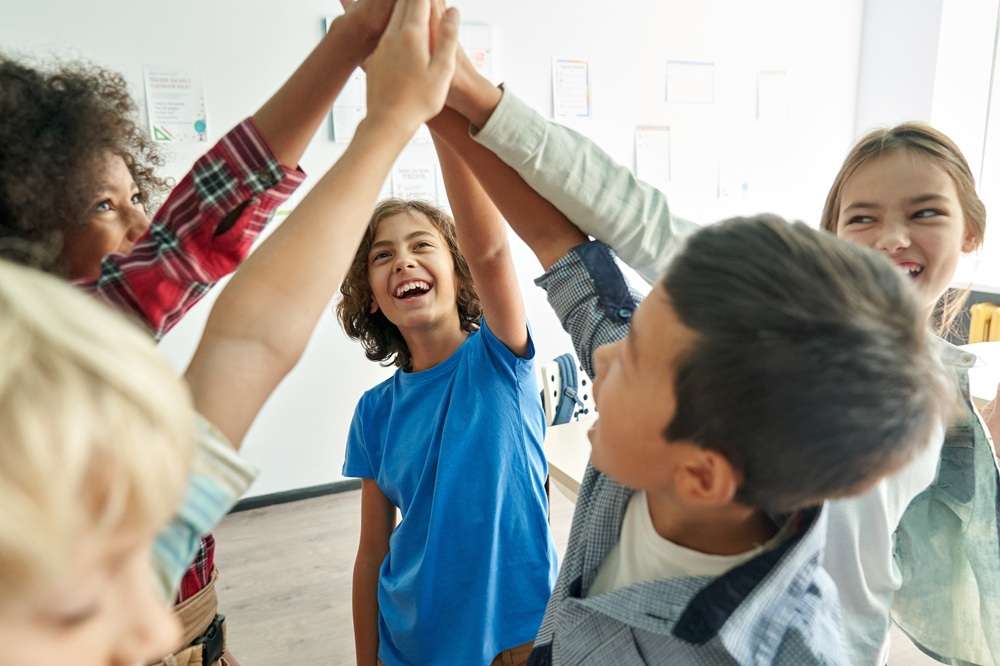
Preventing bullying isn’t just a job for schools. It’s a community effort — and you, as a parent or carer, are one of the most important voices in that effort. When kids feel supported at home and at school, they’re more likely to speak up, step in for others, and build respectful relationships.
Let’s make it clear — in every school, every home, and every online space:
Bullying has no place here.
Find tools, tips, and ideas at: www.bullyingnoway.gov.au
Or if you or your child want to talk to an experienced psychologist, please contact Angela on (08) 7095 3484, or send us a message and we'll contact you.