











Surgery, Function, and the Brain: Day 7 Post-Op: When the Brain Starts Negotiating
08/03/2026
Surgery, Function & the Brain Day: 15 Post-Op: The Pacing Paradox
14/03/2026
Movement, Mood, Pain
and the Power of Fun
Movement improves mood in ways that extend far beyond physical fitness. When we move in ways that are enjoyable and meaningful, the brain changes how it processes pain, stress, and threat. Rather than viewing exercise as punishment or obligation, understanding how movement influences mood and pain can transform the way people approach recovery and long-term wellbeing.
At Paragon PsychConnect we talk about movement often. Not as lifestyle advice, but as part of recovery.
Across mental health, trauma, and chronic pain, the pattern is consistent: when people begin to move again, something shifts. Mood stabilises. Sleep improves. Stress reduces. Confidence slowly returns. The nervous system settles and the body begins to feel safer.
See the Medscape article Exercise Comparable to Antidepressants, Talk Tx for Depression
After my recent back surgery, this idea has become more than theory for me. It’s now part of my own recovery experiment.
In the early days post-surgery, movement looks very different. It is slow, deliberate, and sometimes surprisingly difficult. Walking to the kitchen feels like an achievement. Sitting for too long reminds you quickly that the body has limits. The brain, meanwhile, is impatient.
But even small movement matters.
Gentle walking helps circulation. Changing position reminds the nervous system that the body is capable again. And psychologically, those small actions begin rebuilding trust in the body.
There is another part we emphasise just as strongly.
Movement needs to be enjoyable.
If movement feels like punishment, it will not last. And if it does not last, it will not help. Healthcare sometimes forgets that enjoyment is one of the most powerful drivers of behaviour. People return to what feels good — walking with someone they enjoy, swimming, dancing, gardening, or simply being outside.

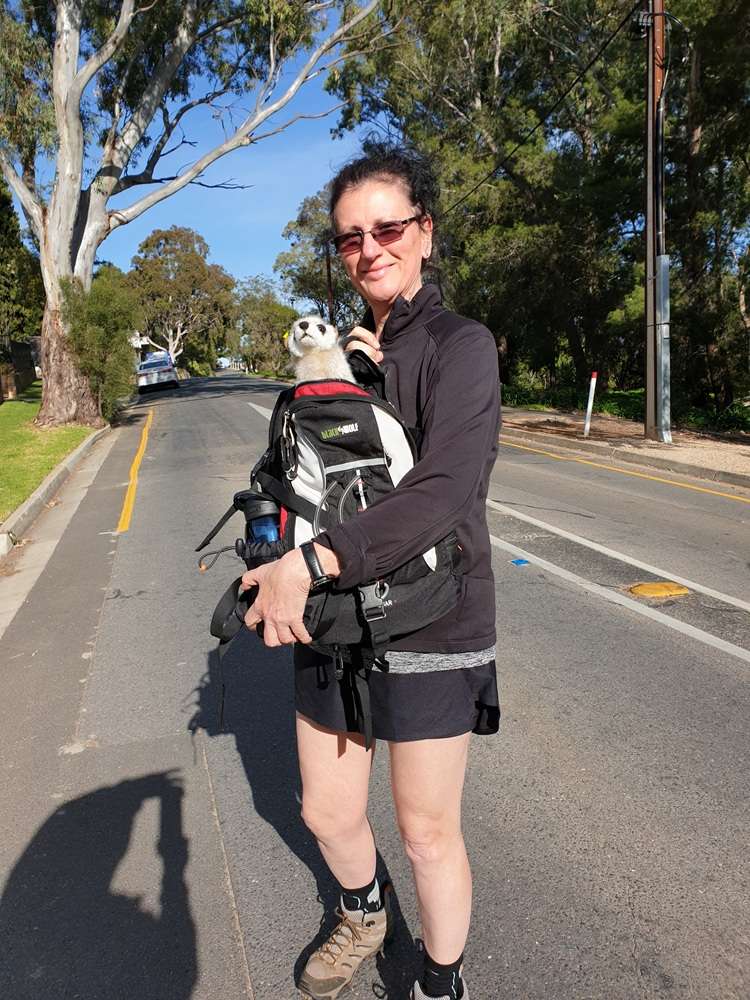
I should be honest here.
It’s not that I dislike exercise. That would be easier to admit. The truth is I dislike preparing for it or convincing myself to start. But once I am actually moving, I enjoy it. And I really enjoy how I feel afterwards.
I have always preferred activity with a purpose rather than exercise for its own sake.
I also carry a quiet fantasy that I’m naturally quite fit.
Then I walk uphill beside my partner — who has been going to the gym five to seven times a week since he was eighteen — and he strolls up the hill while I’m huffing and puffing behind him. Reality arrives quickly.
Gyms have always been a complicated relationship for me. I’ve joined four times and stopped after a couple of months each time, always with very good reasons. The last one was actually legitimate — COVID closed everything. My partner adapted by walking hills every day. I adapted by reading more.
Both have their benefits.
I also told him that I was doing virtual walking.
The next experiment is a home gym. And yes, I know exactly how this story often ends — exercise equipment becoming an expensive clothes rack. That has certainly happened in the past.
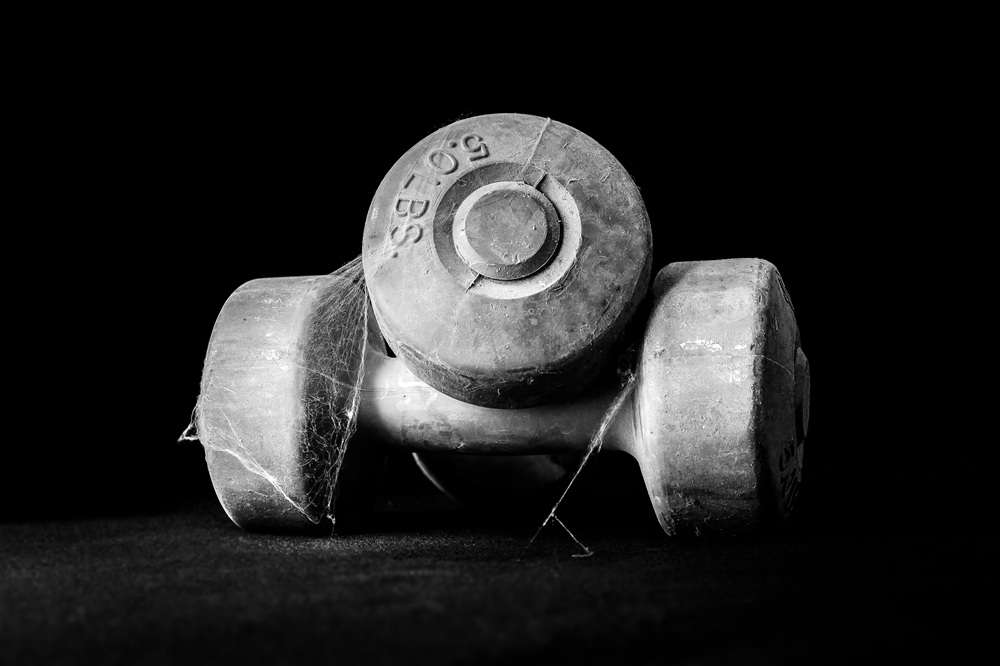
But post-surgery, this time needs to be different.
Across mental health, trauma, and chronic pain, the pattern is consistent: when people begin to move again, mood stabilises, sleep improves, stress reduces, and confidence slowly returns. Movement helps the nervous system settle and the body feel safer.
Over the coming months I will be writing about this process as part of recovery: moving from reading about exercise because it is “good for you” to actually doing it again.
For anyone recovering from injury, surgery, or chronic pain, movement does not need to be dramatic.
Start small. Walk a little. Stretch gently. Explore outdoor gym equipment in your local park. Join an online class if that helps with accountability. Or simply move in ways that make the body feel a little more alive.
Movement improves mood, sleep, pain tolerance, and daily functioning.
Fun keeps it sustainable.
And sometimes recovery begins not with motivation — but simply with starting, imperfectly, and noticing what begins to change.
Explore South Australia's free outdoor gyms
Check out Park Fit's Advanced Workout Plan 1
Movement improves mood by shifting how the nervous system interprets safety, effort, and threat. When activity is enjoyable, meaningful, and sustainable, it becomes one of the most powerful tools for managing pain, supporting recovery, and improving long-term psychological wellbeing.
If you want a hand with your Movement, Mood, and Pain, then reach out to us at Paragon PsychConnect to speak to a Psychologist.
Contact us today to start a conversation with a Psychologist on (08) 7095 3484, or send us a message, if you are interested.