






What Else Could This Mean? The Psychology of Assumptions, Anxiety and Cognitive Flexibility
12/06/2026
Mindful Chocolate Eating for Mental Health
07/07/2026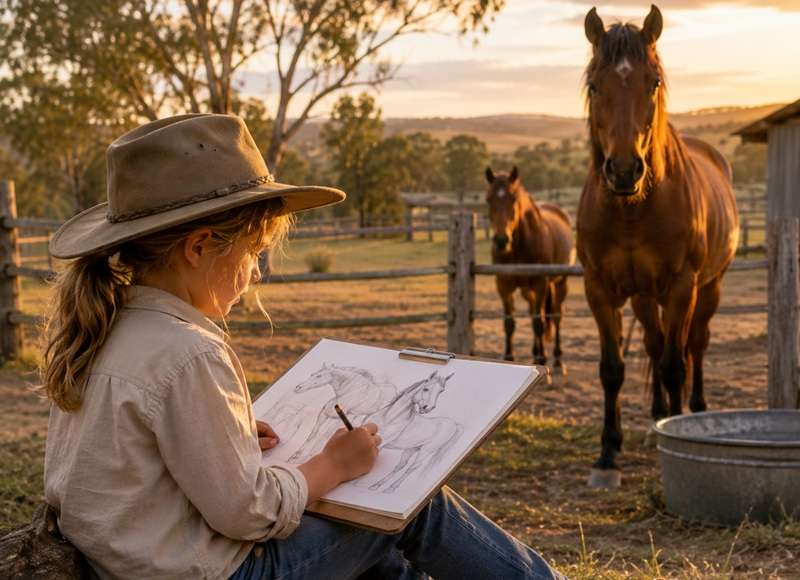
My Journey into Art
Discovering My Creative Voice - Reflections on Inspiration and Early Influences
Creativity often begins long before we realise its significance. Our experiences, influences, interests, and moments of inspiration gradually shape the way we see the world and express ourselves within it. For me, discovering my creative voice was not a single moment of insight but a journey that unfolded over many years. Through art, reflection, and experimentation, I began to understand how creativity can become a powerful tool for self-expression, connection, and personal growth.
How Childhood Memories Sparked My Creative Journey
Looking back, my love for art wasn’t shaped by a single moment. Instead, it grew from a tapestry of childhood memories, each woven with creativity and encouragement. One person told me, “Create—you could be a commercial artist in Australia.” That encouragement stayed with me, guiding my creative path.
My earliest creative memory is sitting in the front paddock with Helen Craig, a renowned Australian commercial artist. We’d sketch horses as mine galloped nearby, with kangaroos in the distance and a magpie breaking the afternoon quiet. Surrounded by coloured pencils, I listened as Helen Craig shared her inspiration. The sunlight filtering through gum trees, the freedom to explore, and the absence of expectations made these moments truly special.
People Who Inspired Me
Throughout my artistic journey, several people have inspired me. My Nana, though not an artist herself, always kept a drawer full of pencils and paints. She never minded the mess and believed creativity was essential for expressing life’s challenges. Nana often said, “A picture speaks a thousand words.”
School sometimes saw my doodling as a distraction; Nana recognised my doodling as expressive art. Nana encouraged me to apply for an early university scholarship in commercial art—which I won. Although my parents saw art as just a hobby, these early experiences were pivotal in shaping my path.
During my teenage years, I faced a physical life challenge. While recovering, I helped at a local gallery in McLaren Vale and met Pro Hart, an Australian artist with a unique style. Our conversations about the connection between emotion and creativity broadened my perspective. Art became not just a creative outlet, but a way to find harmony, healing, and connection. We often doodled together.
Childhood Interests and Community Influence
As a child, I was captivated by picture books and cartoons. I spent hours copying illustrations, sketching animals, and doodling in the margins of my notebooks. What we now call “neuro-arts” was simply my way of making sense of the world.
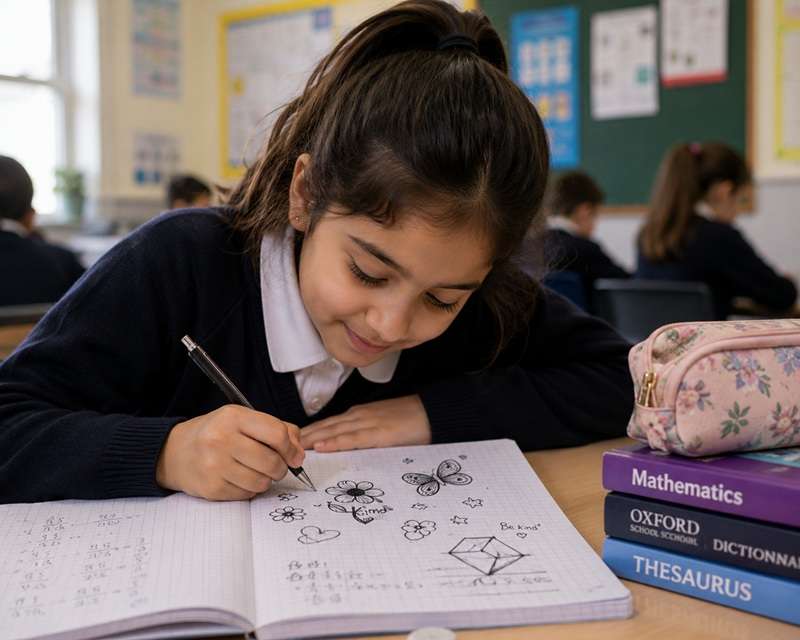
The community around me played a significant role in nurturing my creativity. School excursions to art galleries introduced me to famous artists and diverse styles. I painted murals on our farm’s shearing shed and joined in school projects, including graffiti and abstract art on community walls.
Local and international groups supporting mural art for charity work also left an impression. Even the newspaper, The Advertiser, featured an article on the impact of my art, giving my creative voice a platform to support children’s education and growth. I was doodling.
Myth Busted: Doodling is a therapeutic art form.
You don’t need to be able to illustrate. Just express your picture that speaks a thousand words. What has doodling got to do with. What is Neuro-arts? Neuro-arts is an emerging field exploring how engaging with art—like music, painting, dance, and writing—can positively affect our brains. It combines neuroscience and the arts to study how creative activities influence brain function and wellbeing.
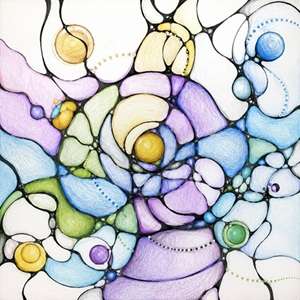
Yes, true story. Science shows the benefits of learning methods, under the Neuro-arts umbrella, with doodling that can creatively support brain health, Neuroplasticity, and mindfulness.
Neuro-arts support neuroplasticity, which is the brain’s ability to rewire and adapt throughout life. Creative practices encourage the development of new neural pathways, helping the brain stay flexible and resilient.
Happy brain, happy life. Brain health can be just getting involved in the arts. This keeps your brain active, boosts memory, and reduces the risk of cognitive decline. These activities can help manage stress and promote overall mental wellness.
Myth officially busted: doodling is a form of mindfulness and art- making. Doodling often promotes mindfulness by encouraging you to focus on the present moment. This can lead to reduced anxiety, improved emotional regulation, and a greater sense of calm.
Mr Squiggle was onto something.
Summary
The journey of discovering a creative voice is rarely straightforward. It evolves through curiosity, inspiration, practice, and a willingness to explore new possibilities. Through art, we can better understand ourselves, express experiences that are difficult to put into words, and connect with others in meaningful ways. Creativity is not simply about producing something beautiful—it is about finding authentic ways to tell our stories, make sense of our experiences, and continue growing throughout life.
Action
If you want to know more, or try some neurographic art therapy, give Angela a call on (08) 7095 3484, or send us a message, and make an appointment to see our counsellor Mel Stone at Paragon PsychConnect.
Explore More Mel Blogs
Read more mental health blogs by Mel at Paragon PsychConnect.